

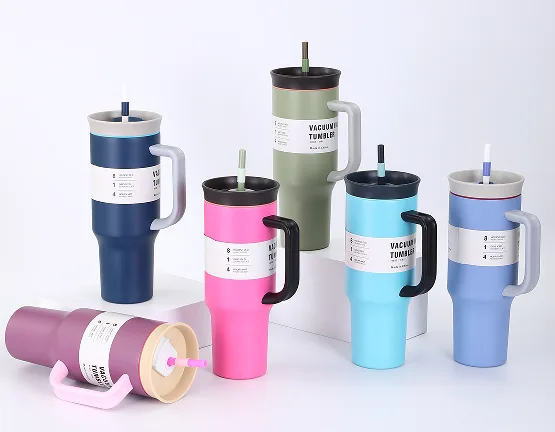
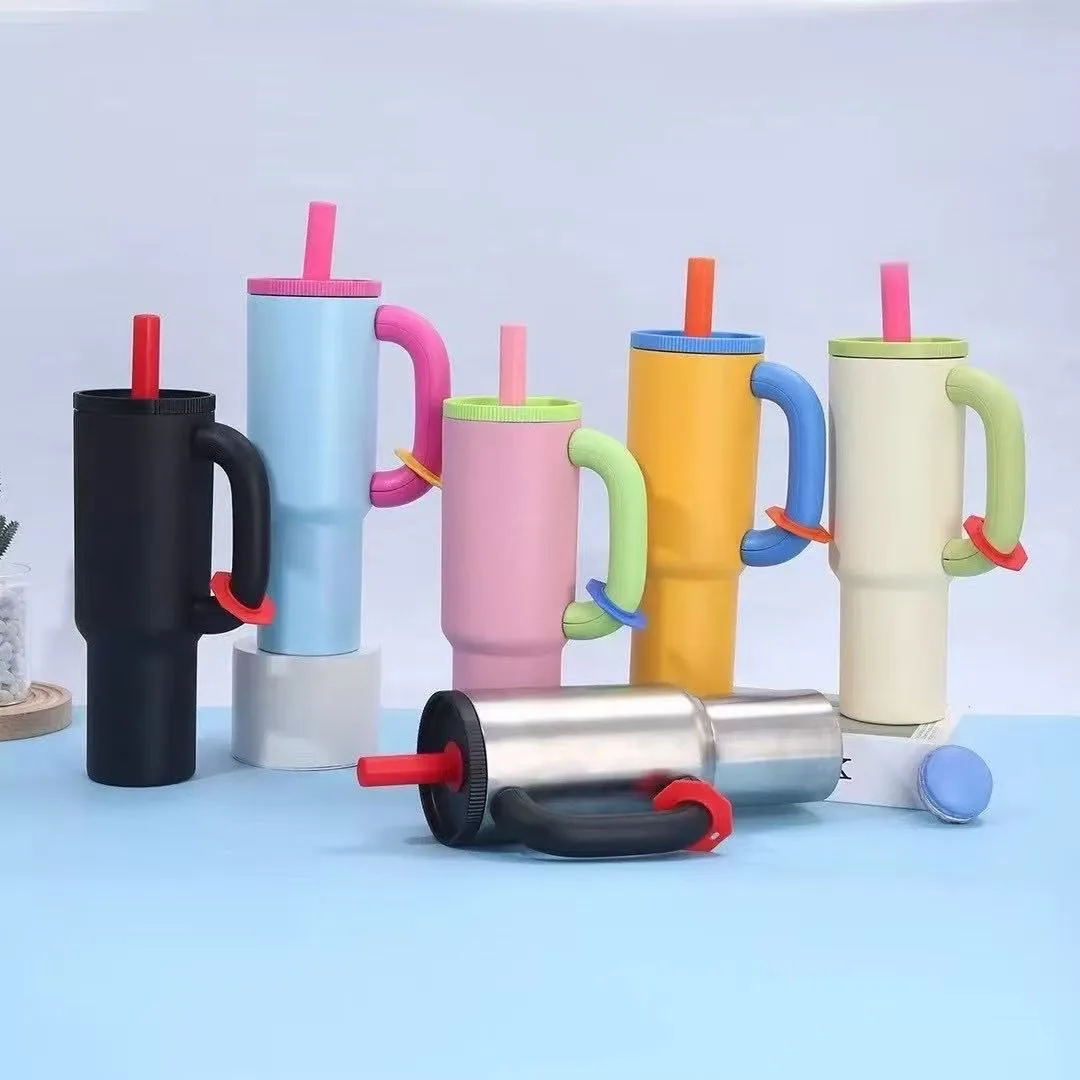
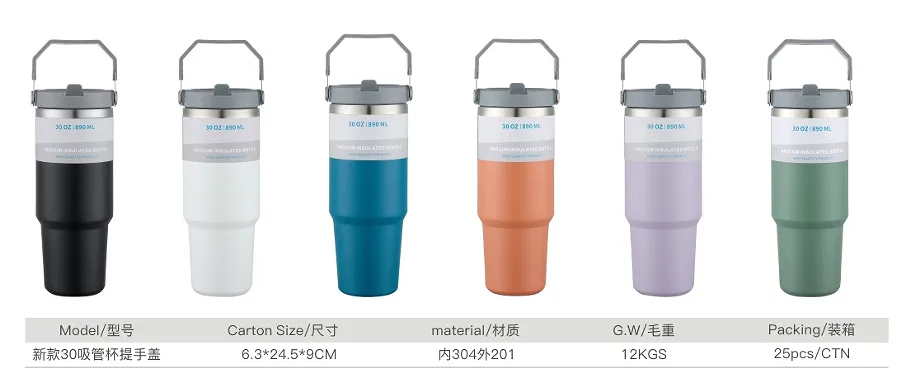
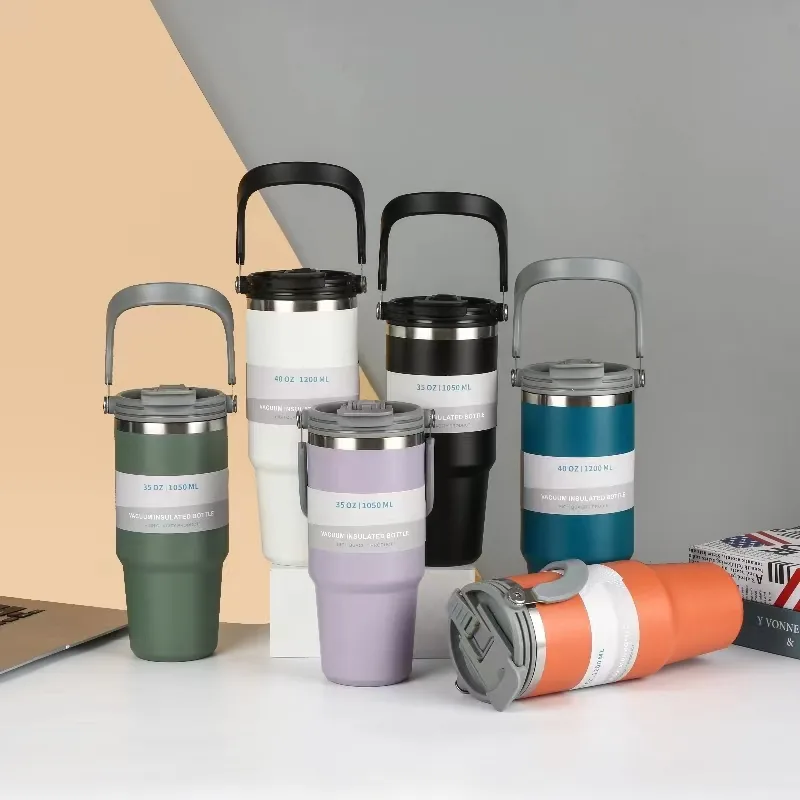
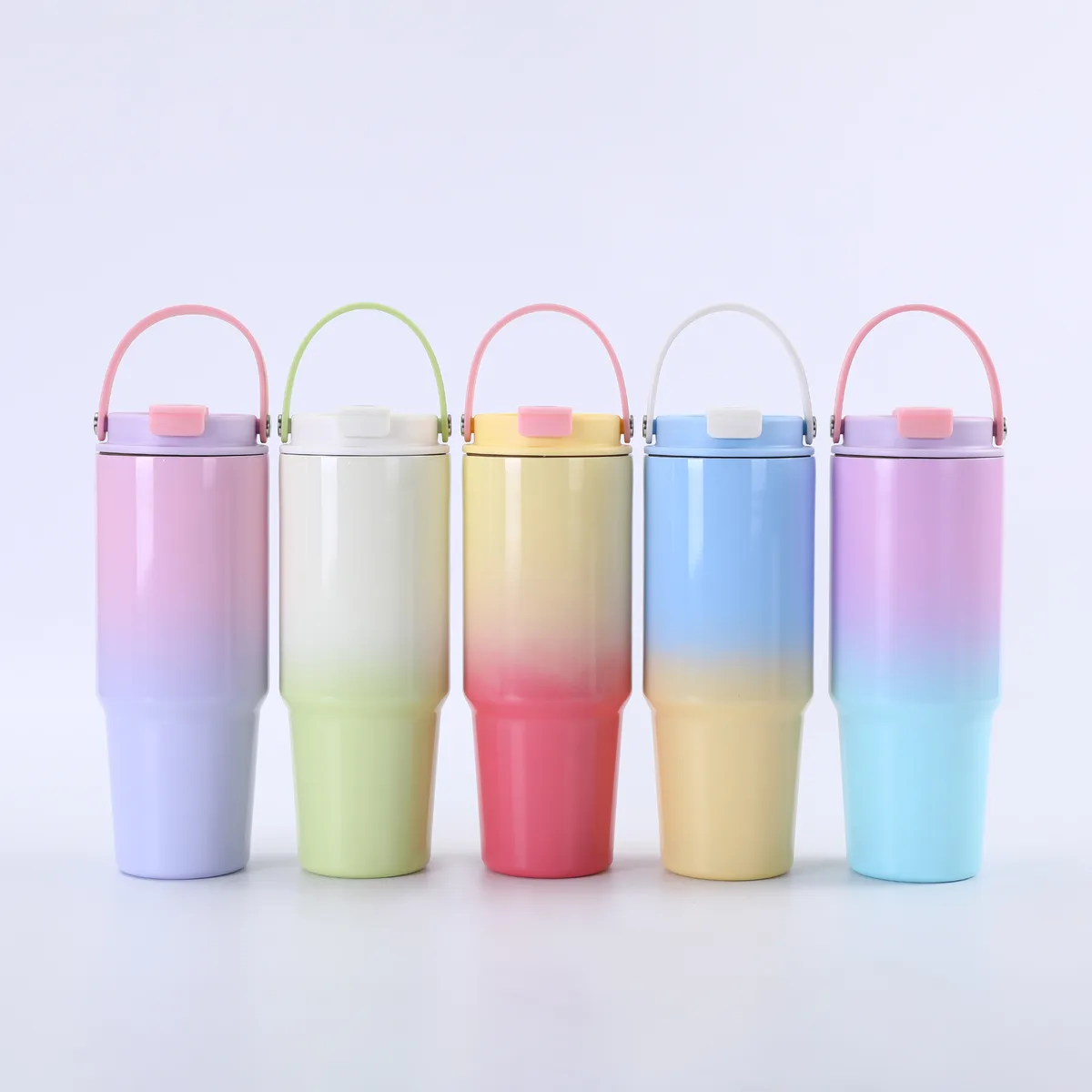
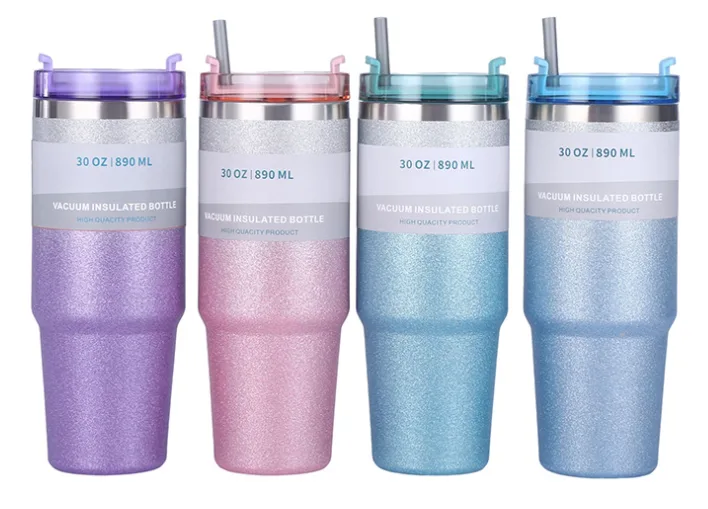
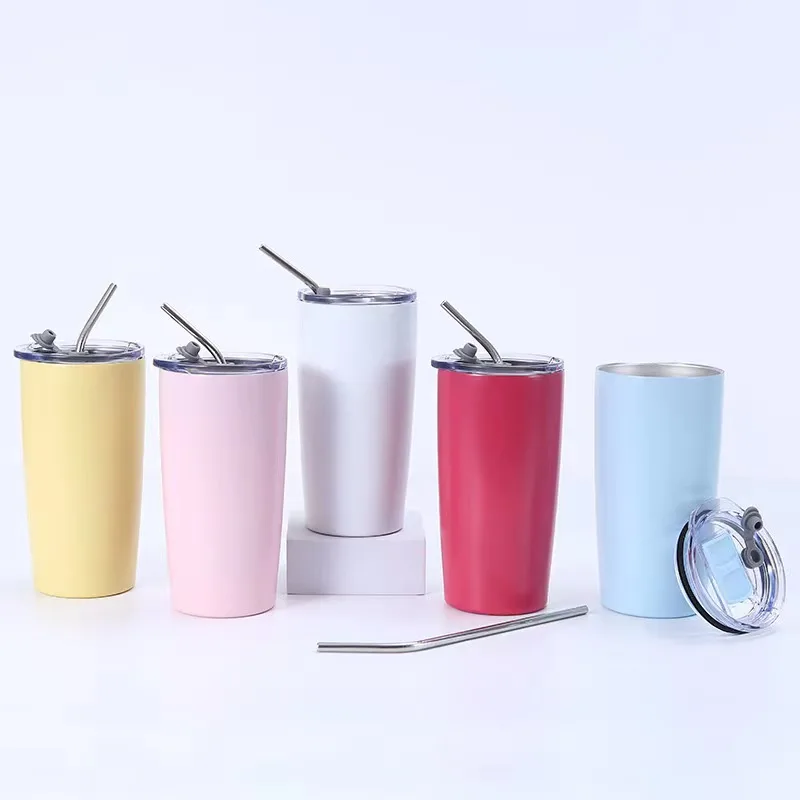
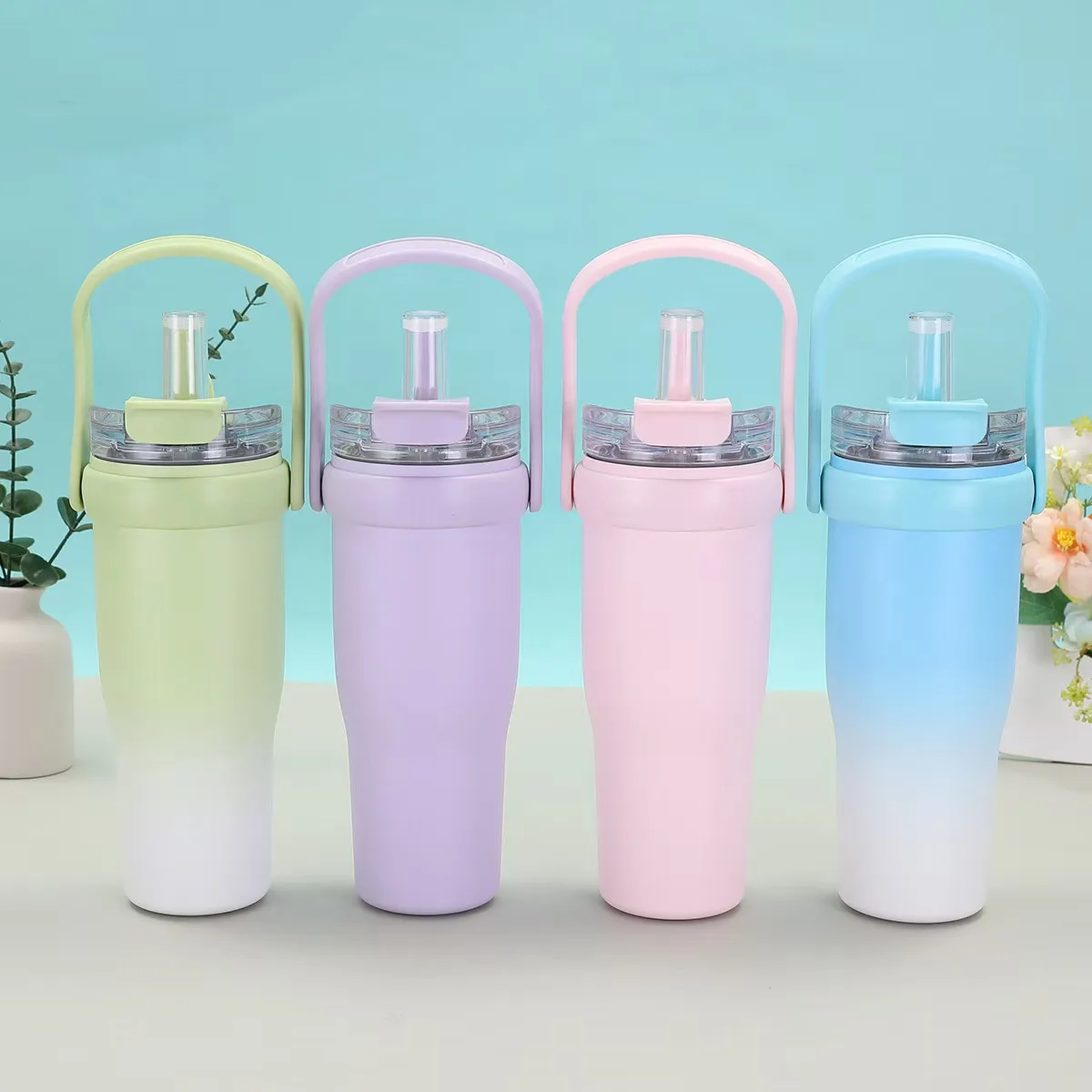
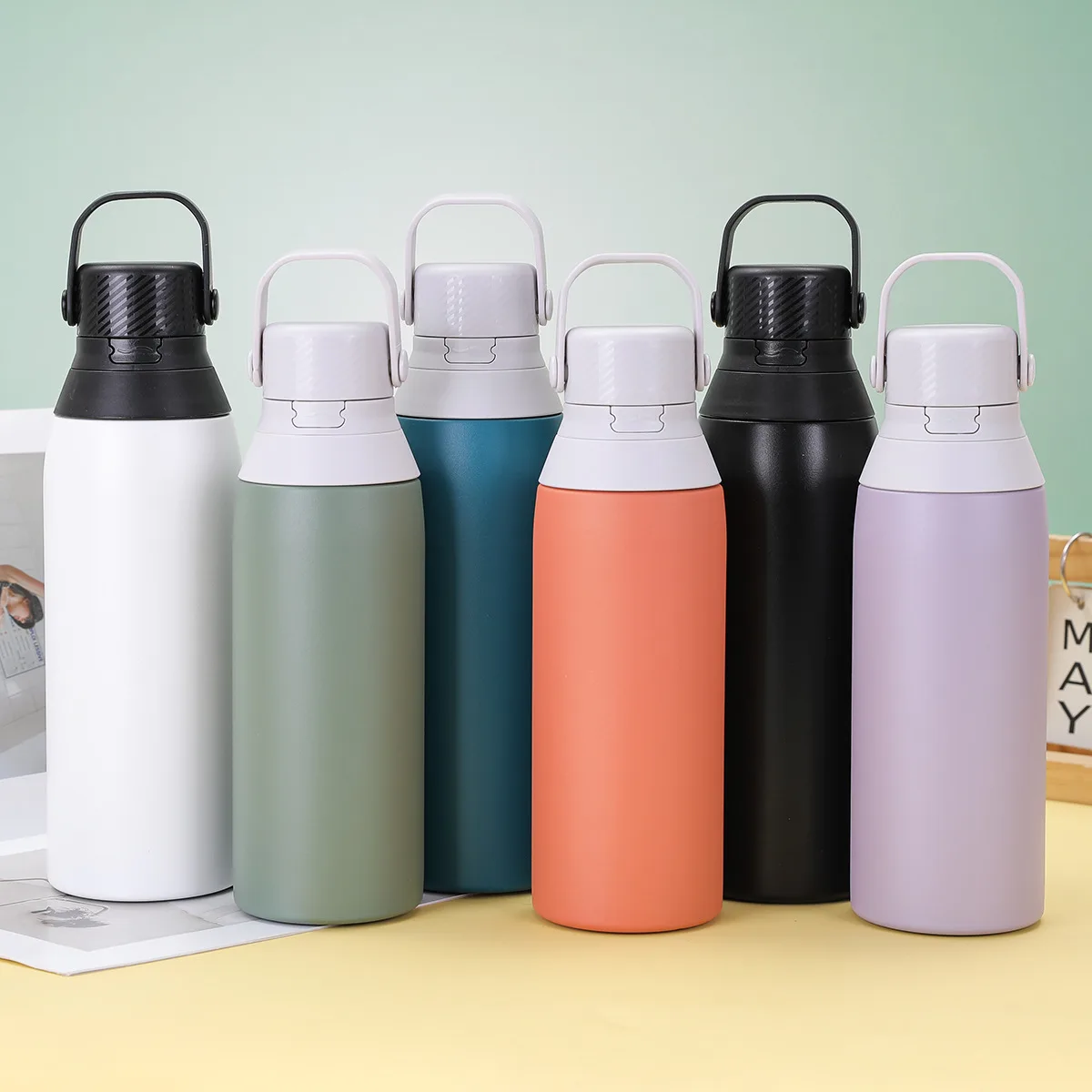
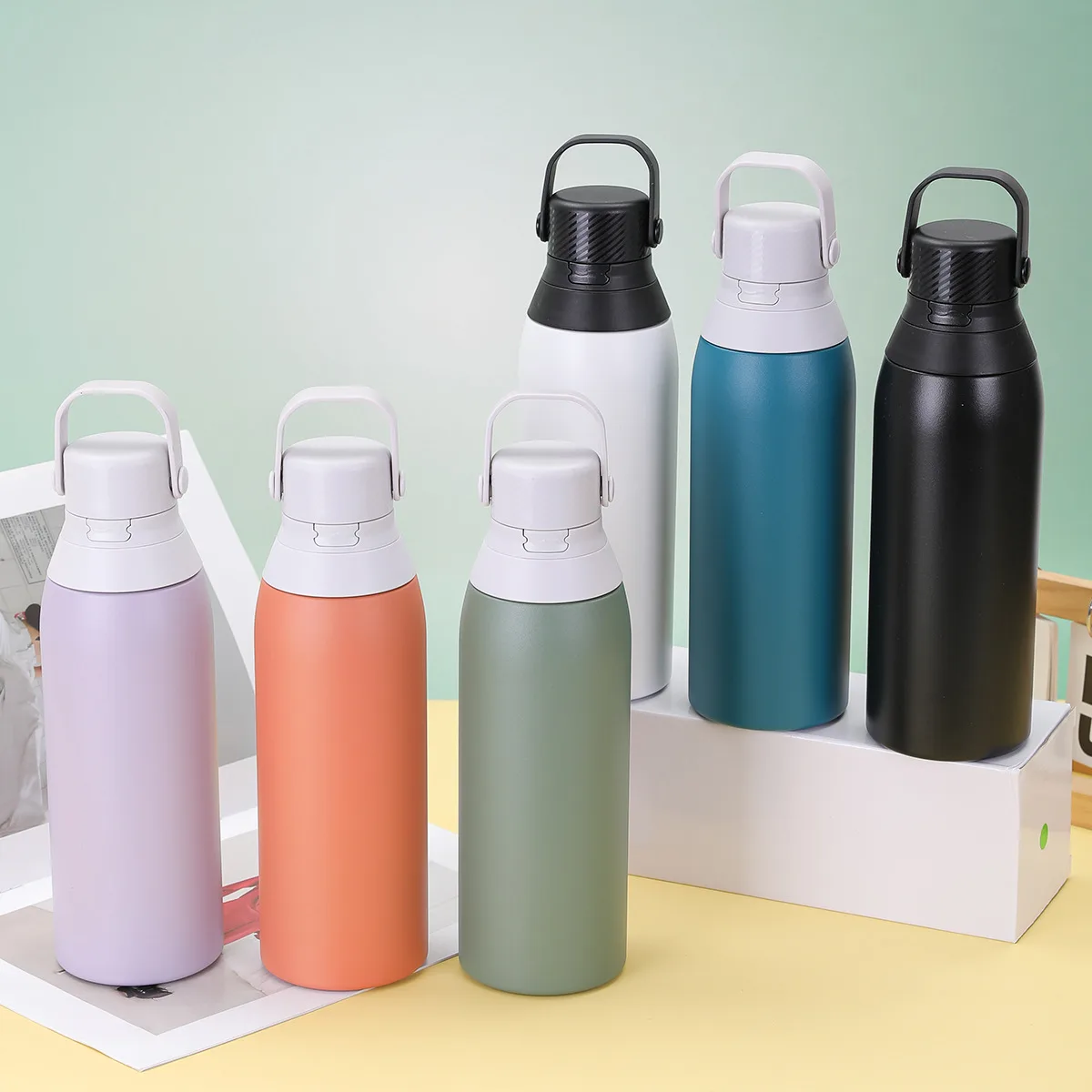
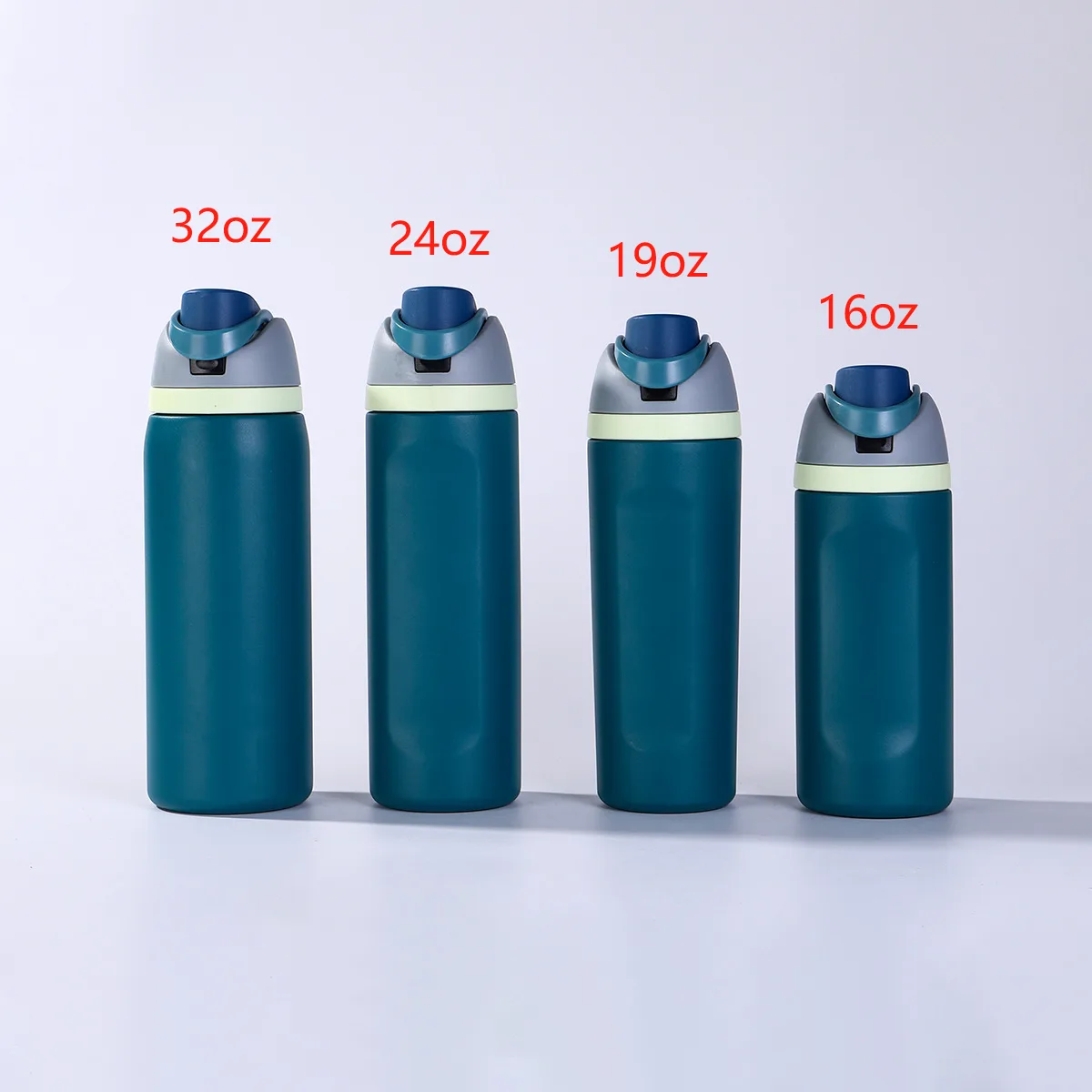
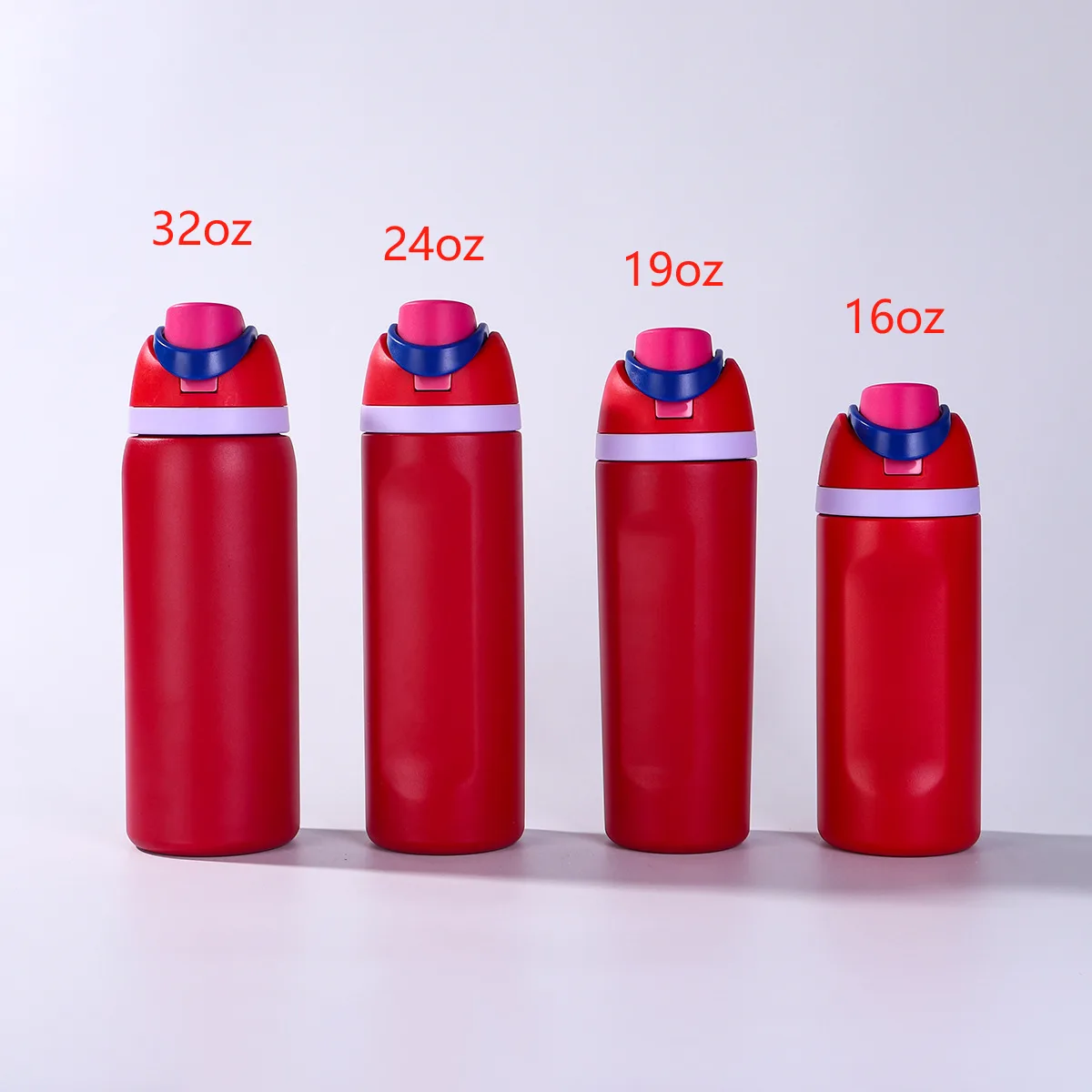
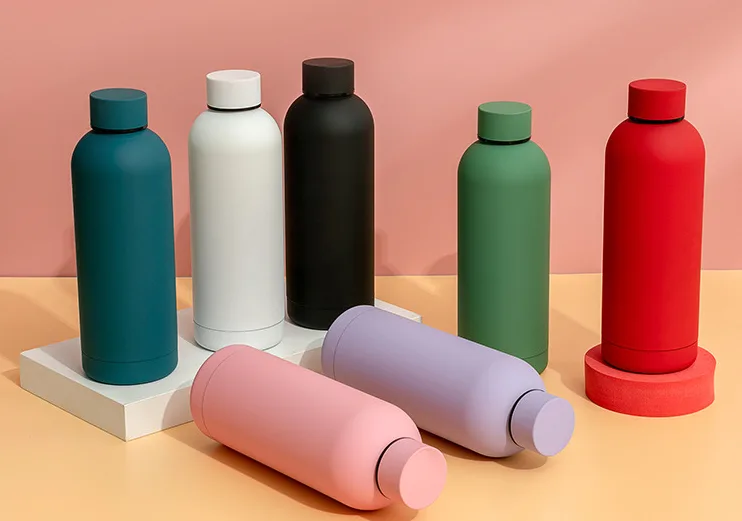
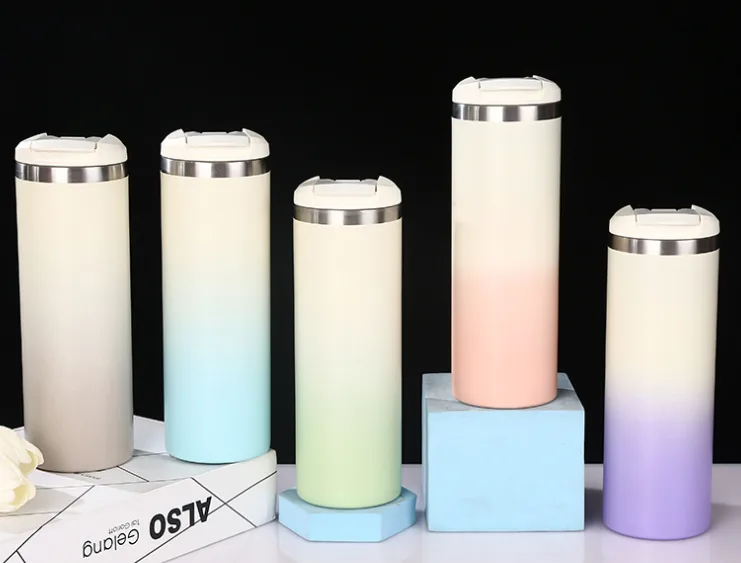
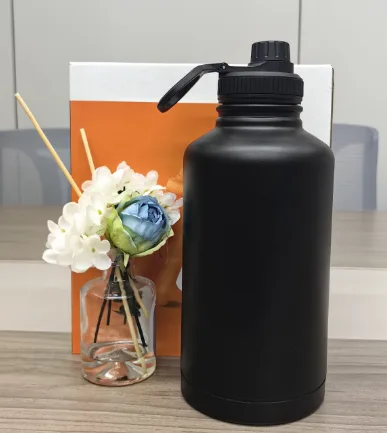
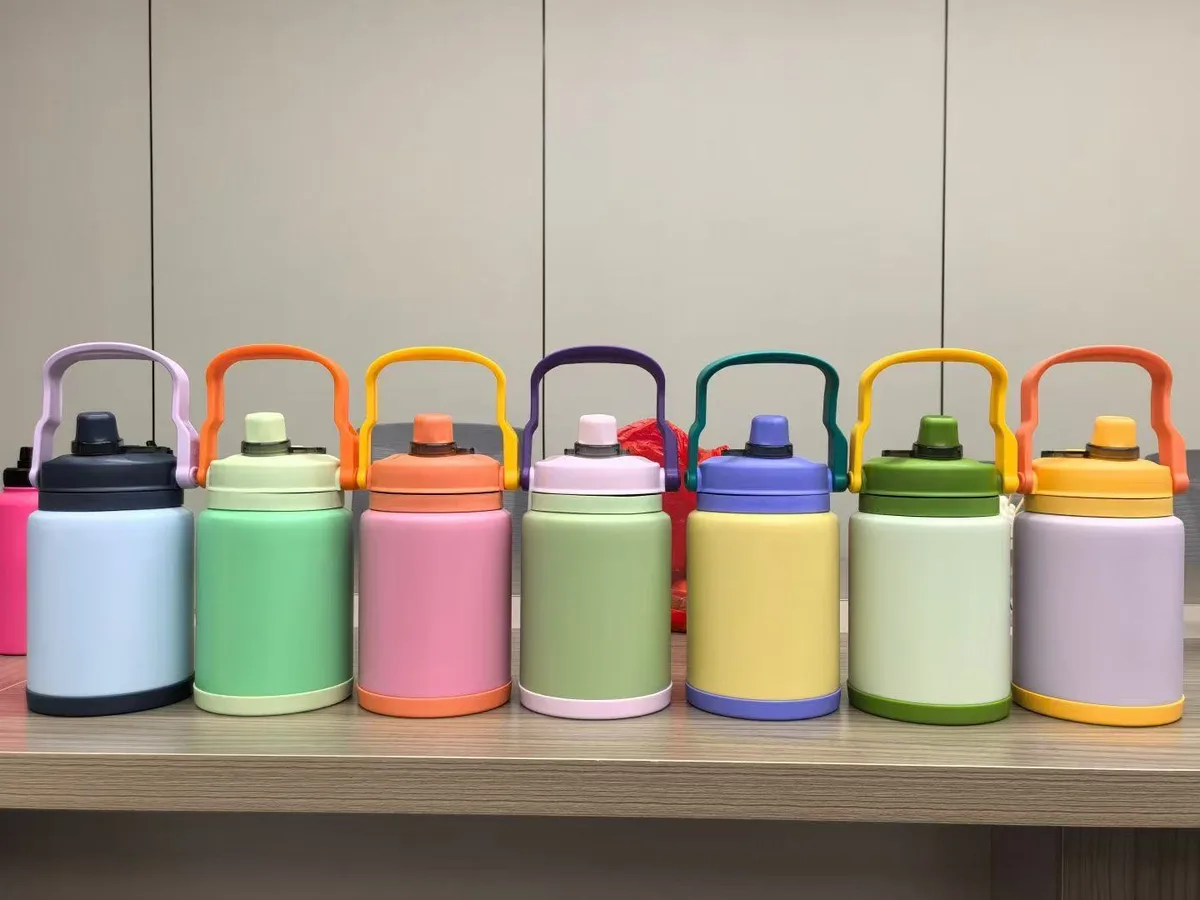
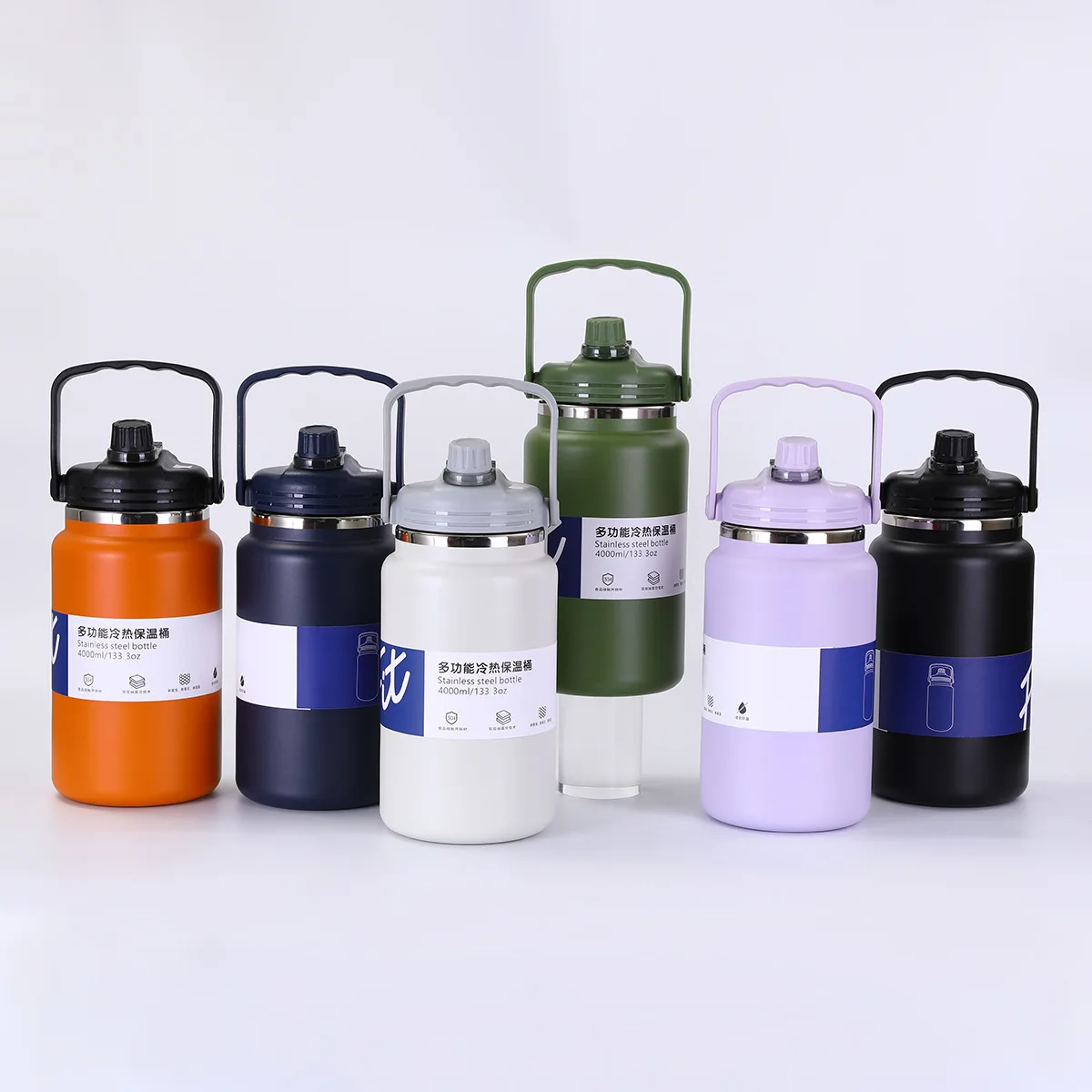
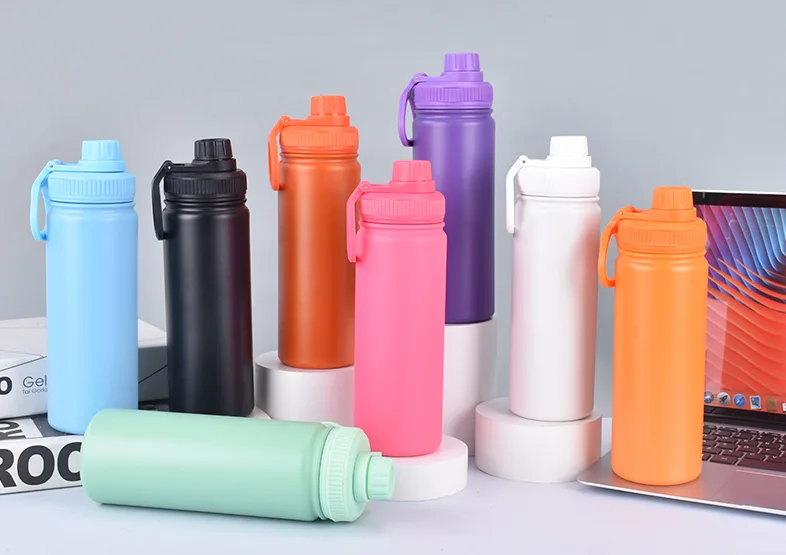
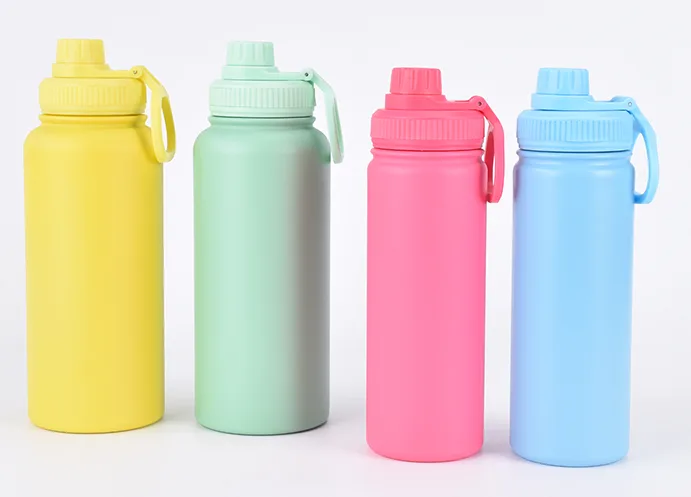
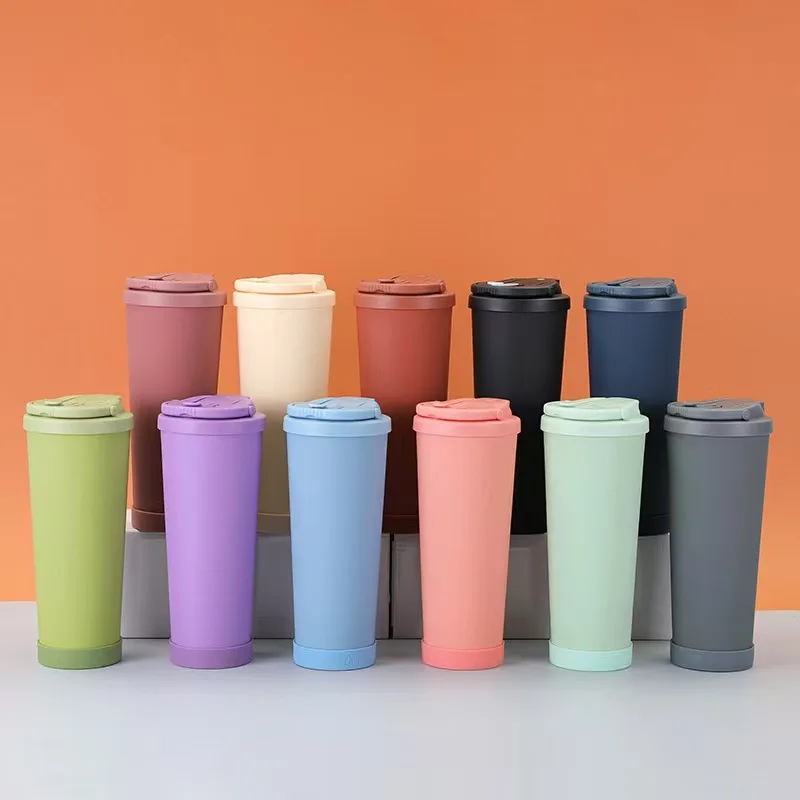
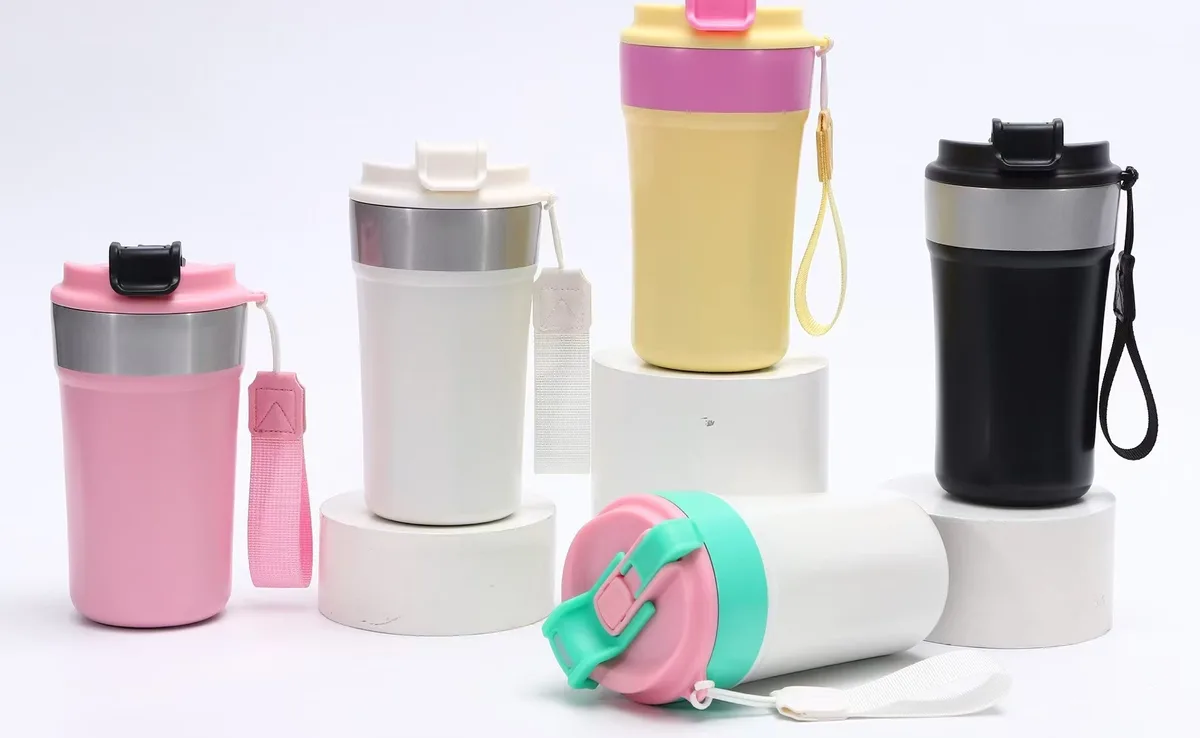
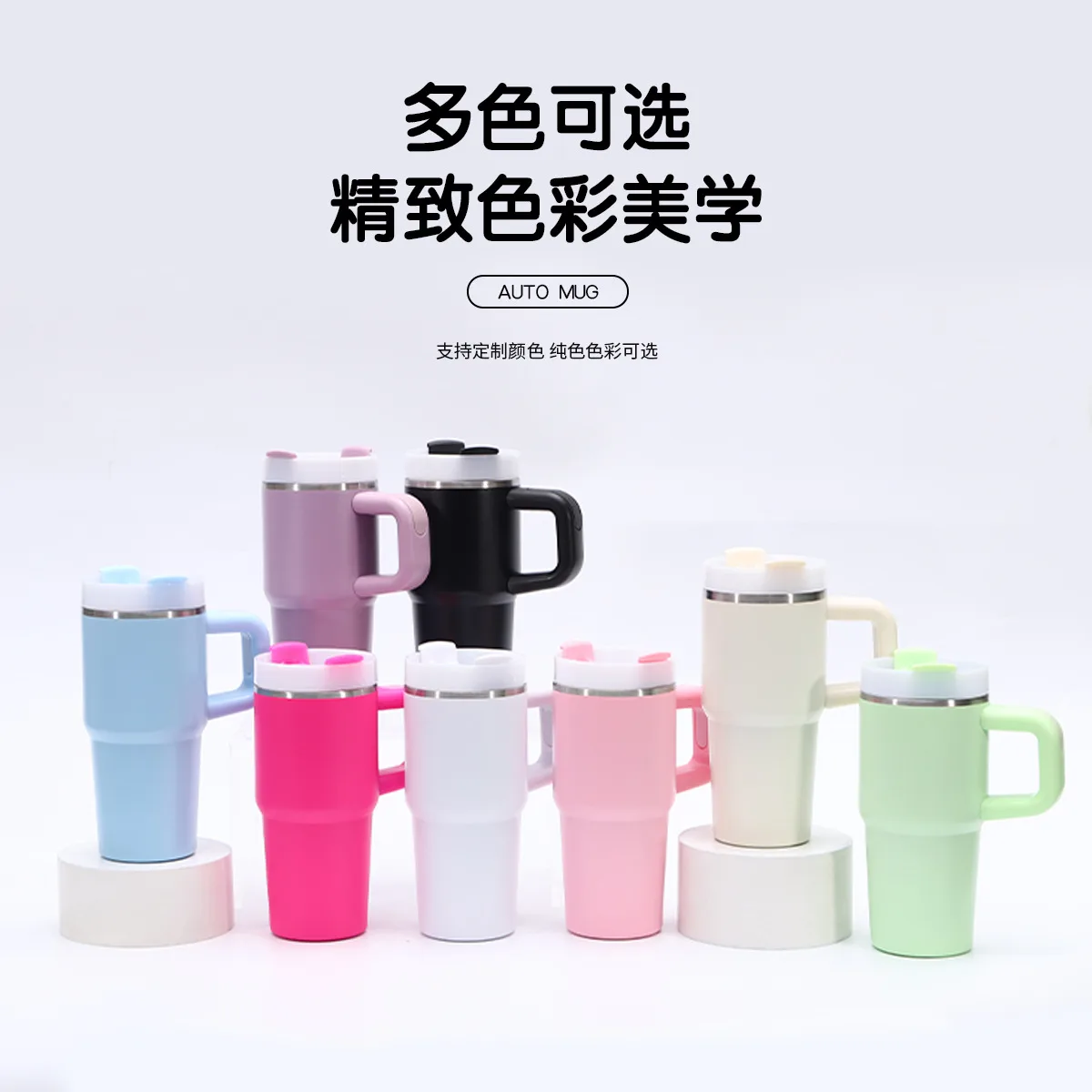
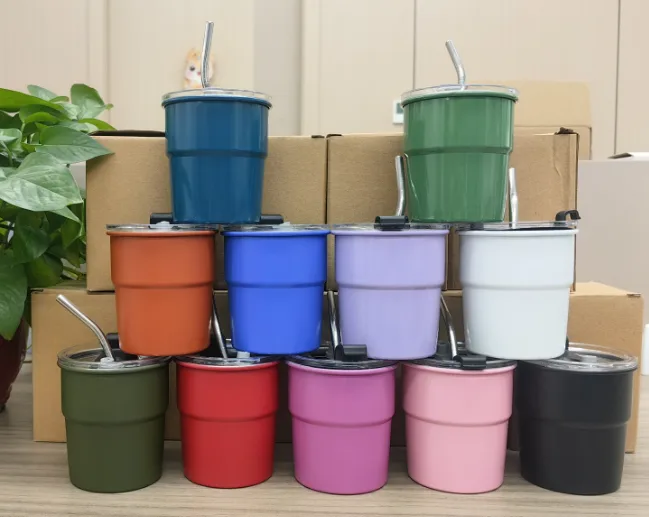
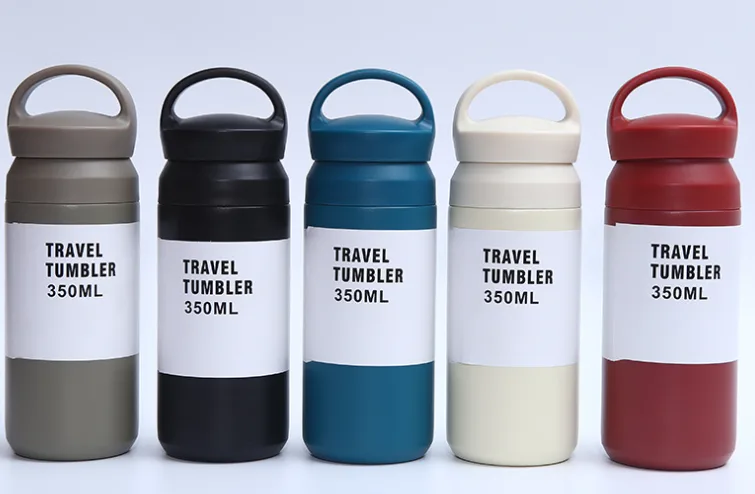
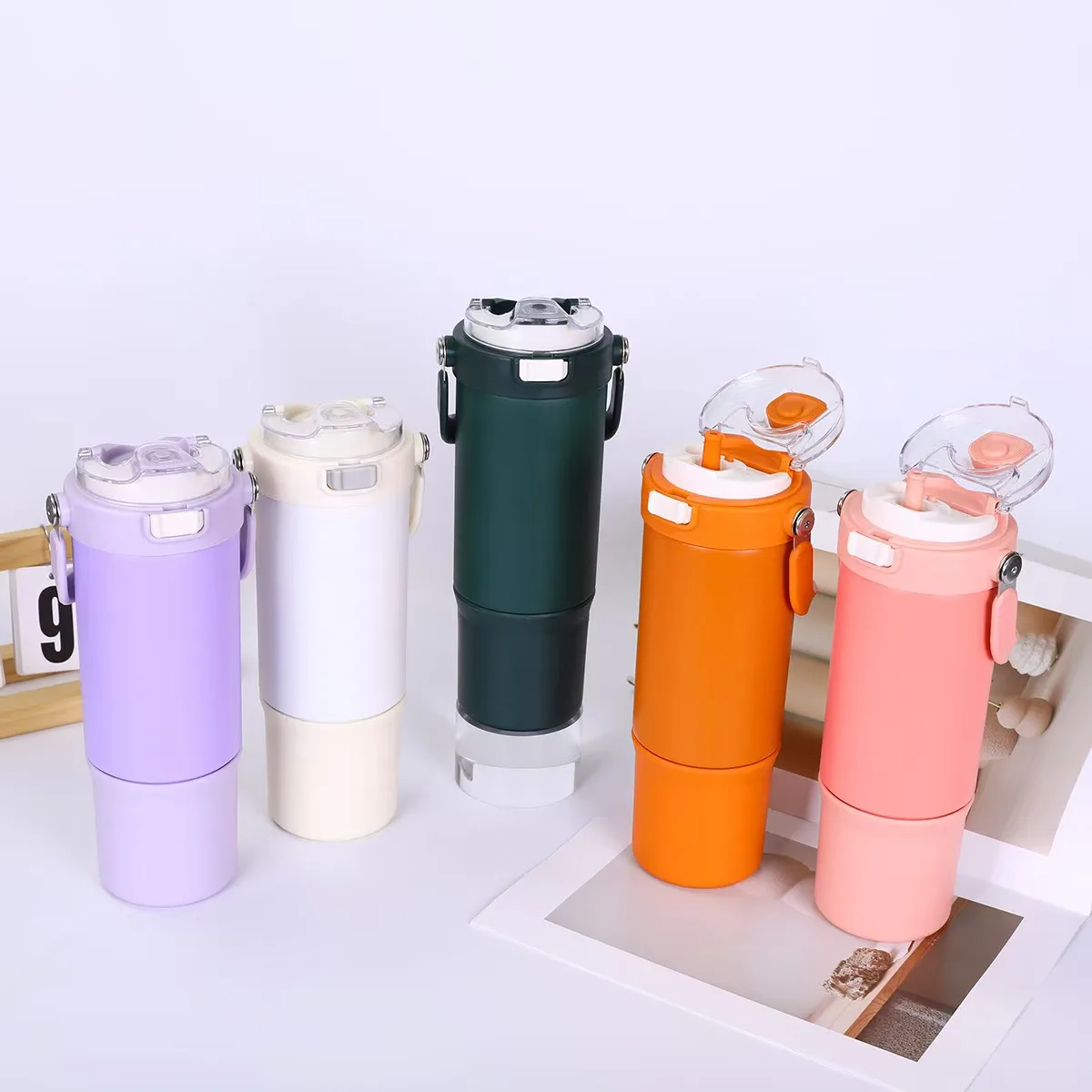

Most insulated drinkware uses a double-wall vacuum construction: an outer steel shell, an inner steel wall, and a sealed gap between them. The vacuum removes the air that heat needs to travel through. A copper or reflective lining can further reduce radiant heat transfer.
The construction is only the beginning. Buyers should ask about the wall thickness, the lid gasket material, the lid fit and the test conditions used for any performance claim. A cold-retention number measured with ice water at room temperature is not directly comparable to a number measured in a hot car or at altitude.
Ask for the sample protocol. How long is the sample tested, at what fill level, with what starting temperature, and how often is it checked? A credible supplier should be able to describe the method, not only the final number.
The lid is often the weak point. Check the gasket compression, the thread engagement, the straw seal and whether the lid can be cleaned properly. A leak test should include an upside-down hold and a packed-bag simulation, not only a quick hand shake.
Finally, confirm how the specification will be held during mass production. The approved sample, the written specification and the pre-shipment inspection should all describe the same product. If a performance claim matters to your market, ask for the test record and keep it with the purchase order.