

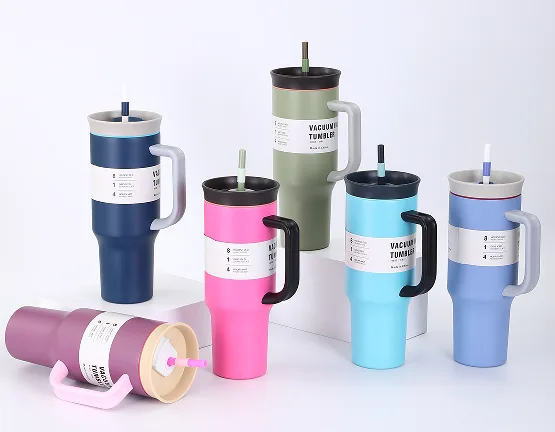
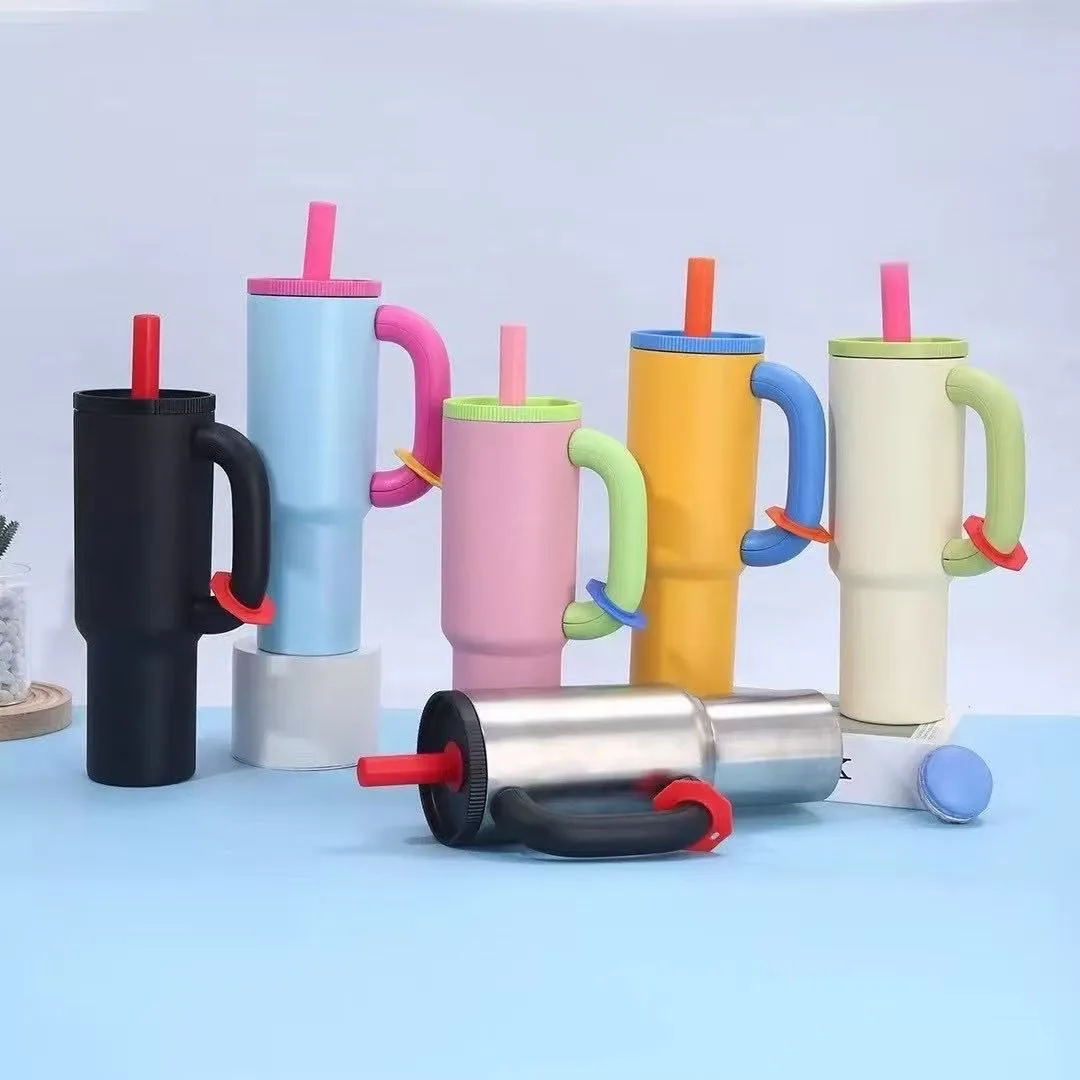
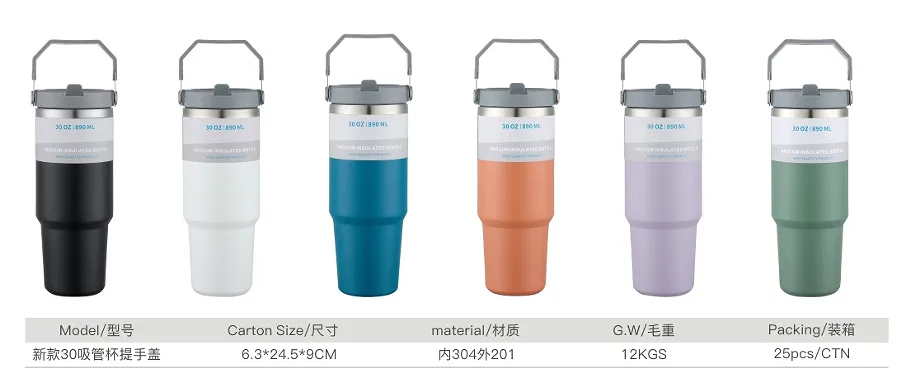
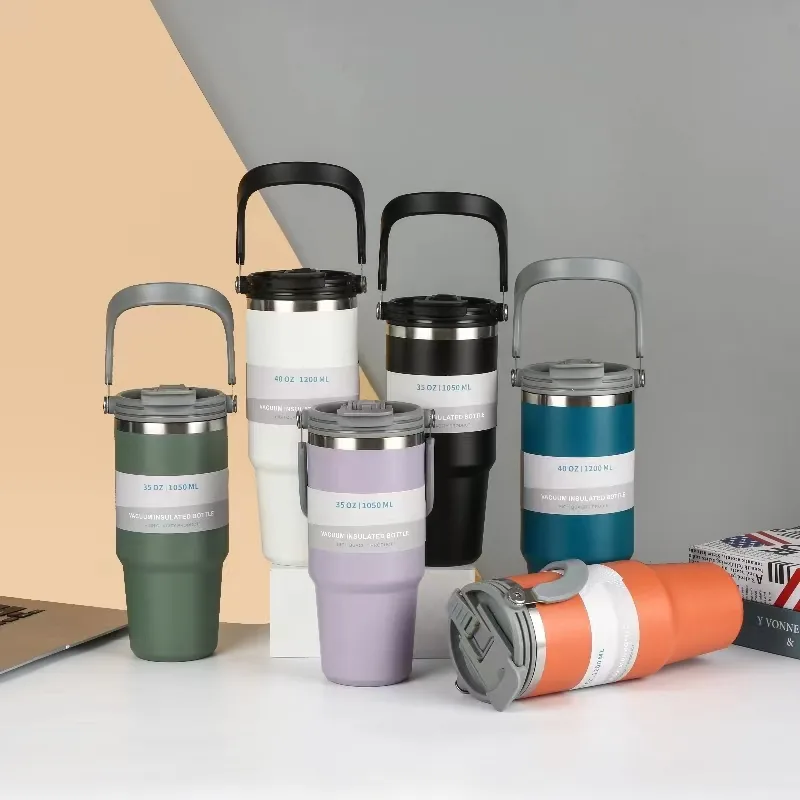
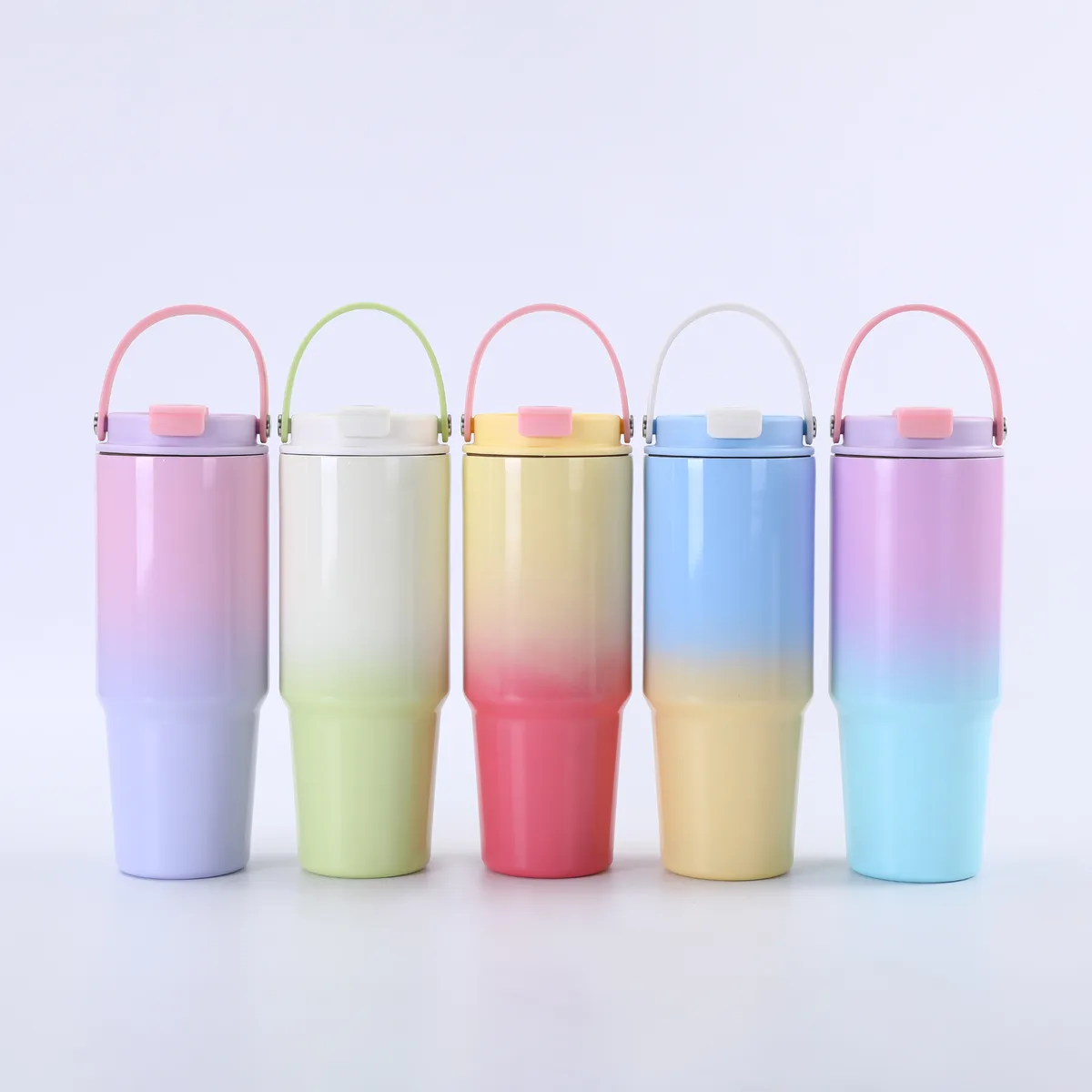
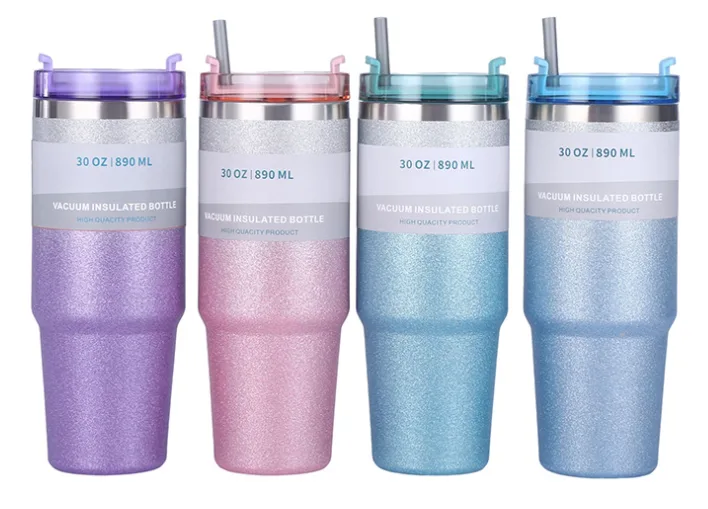

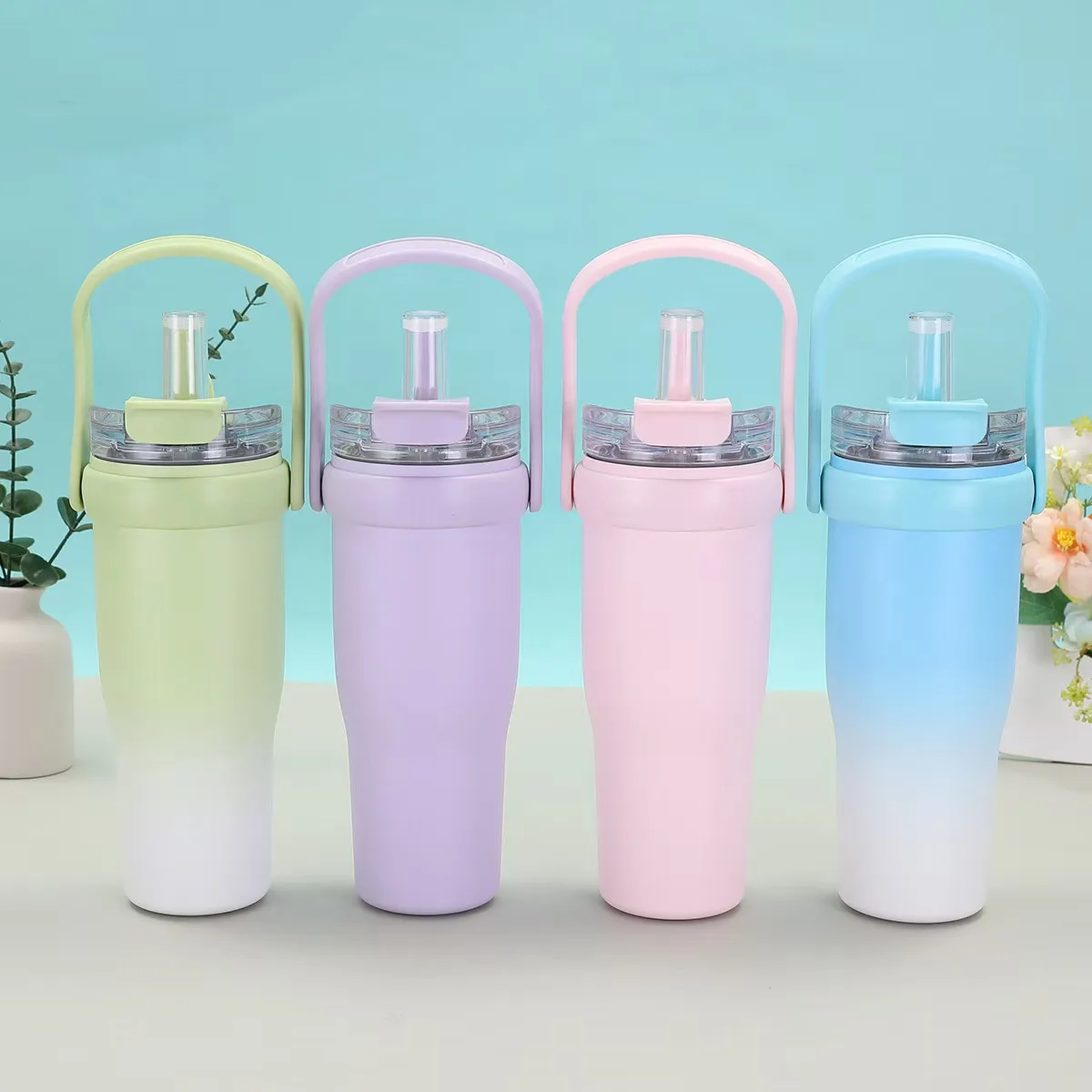
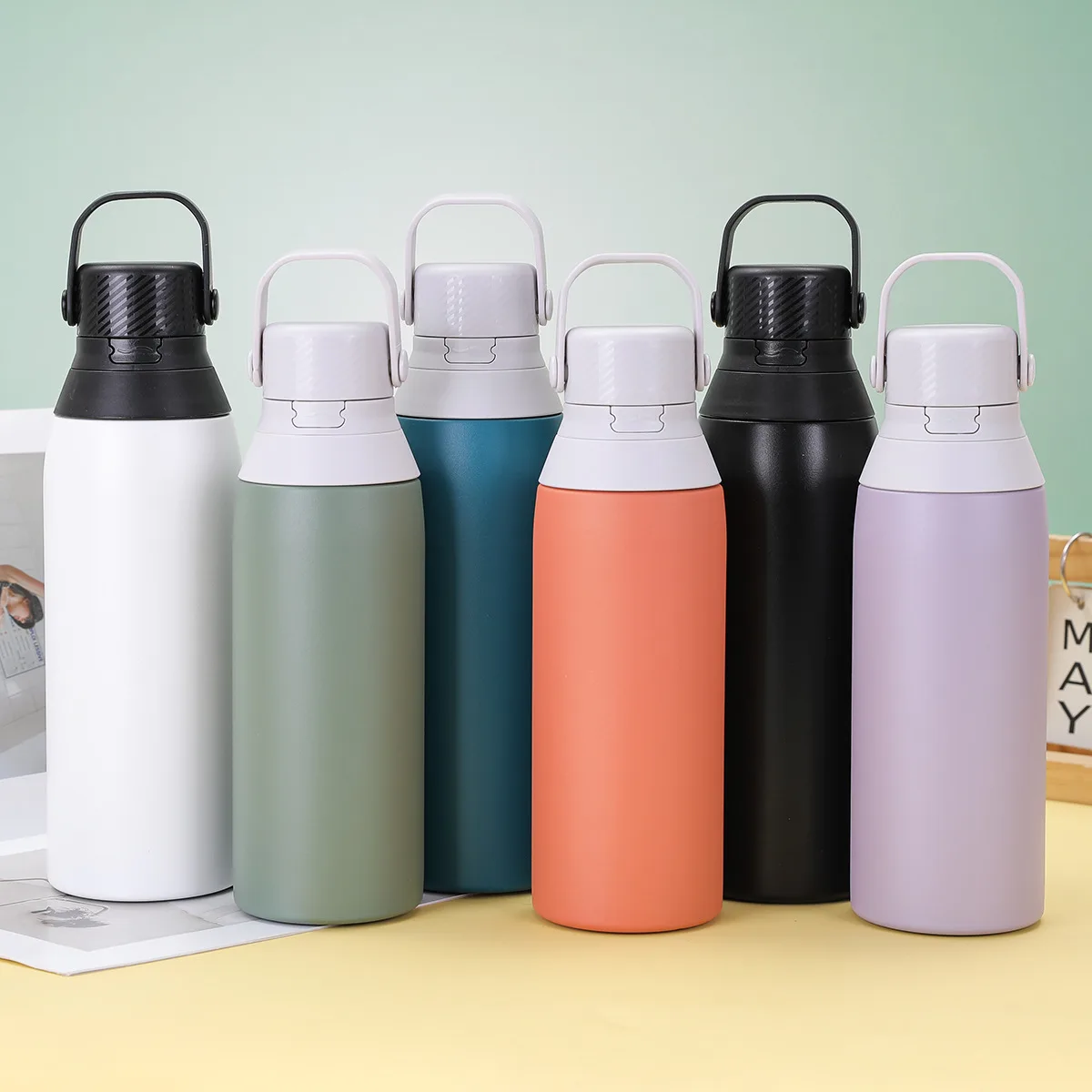
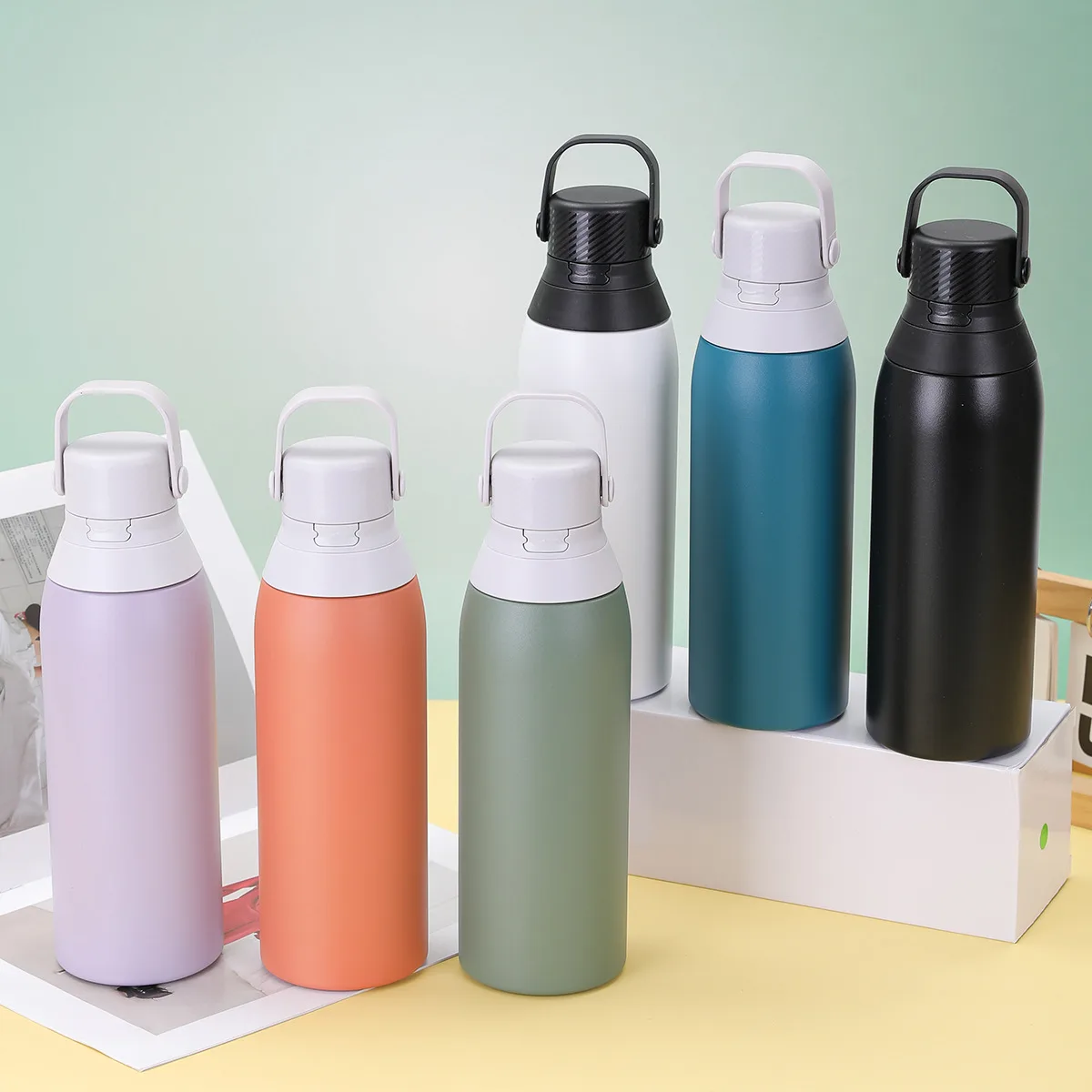
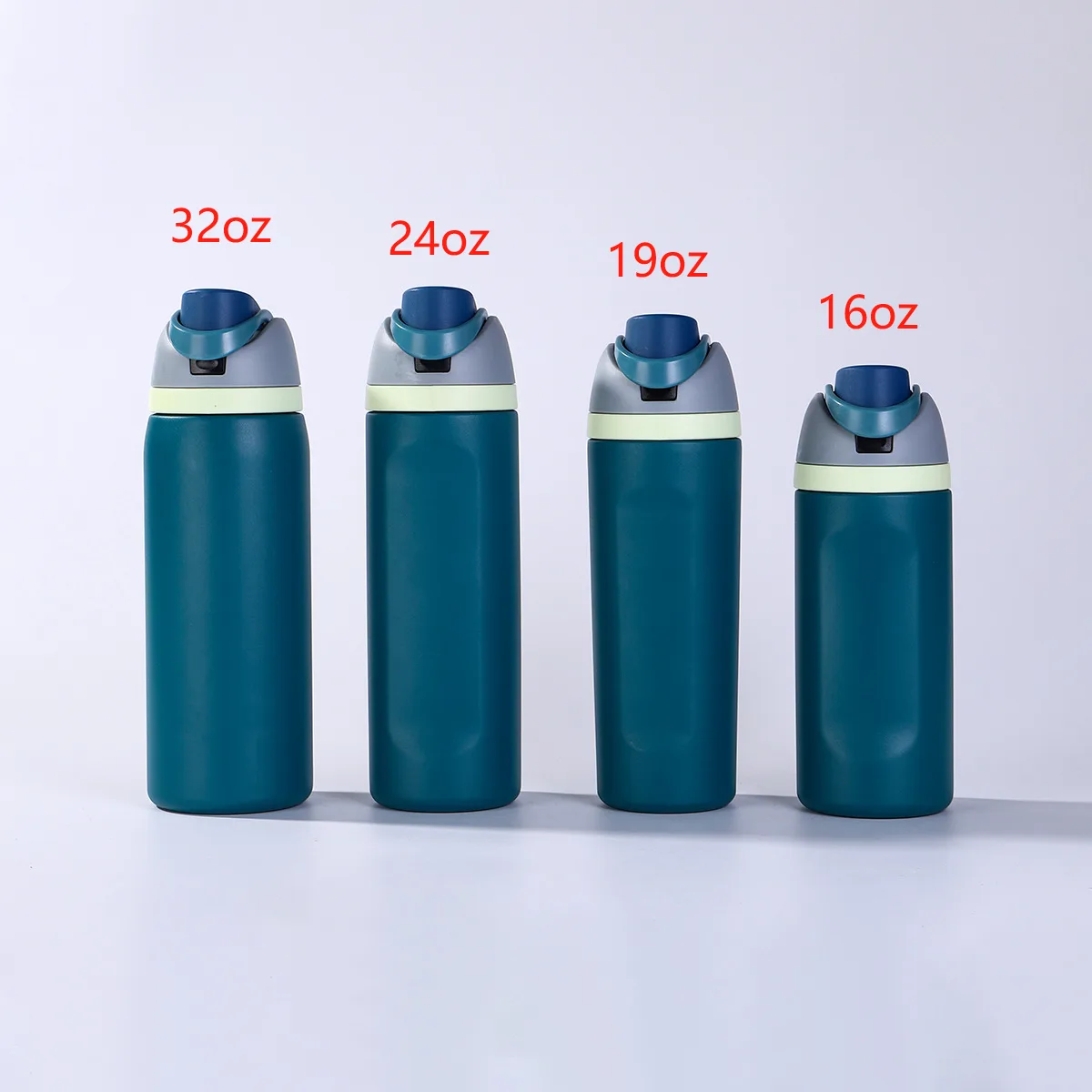
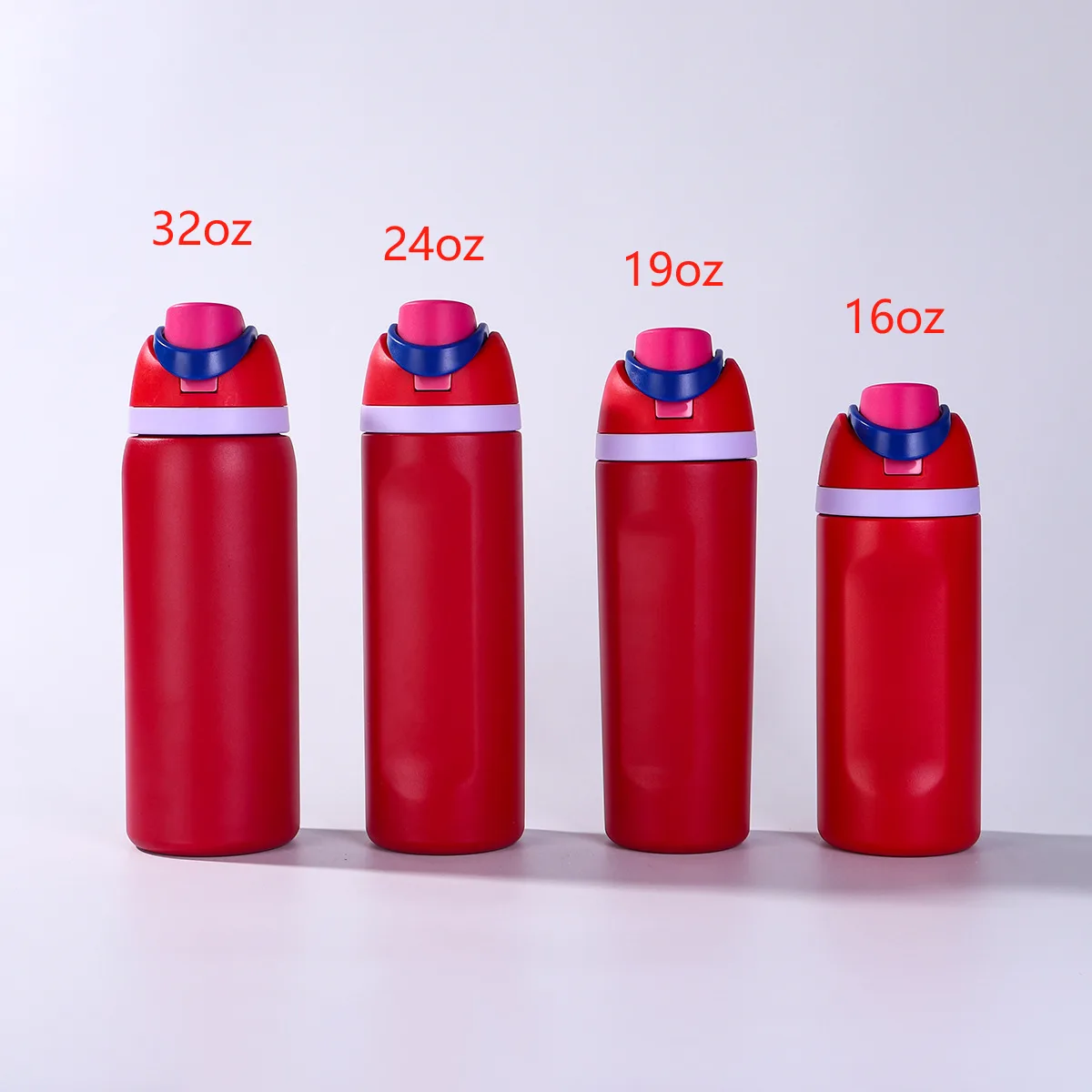



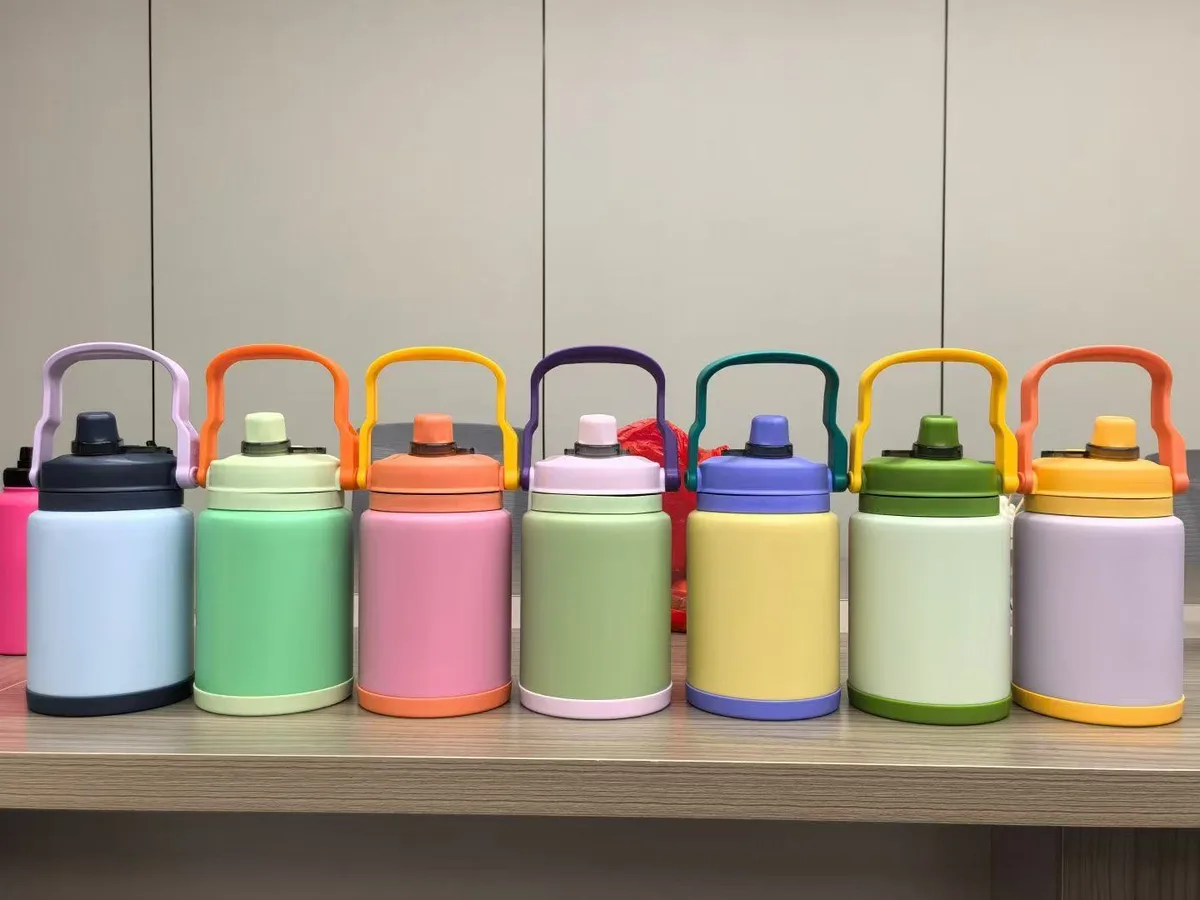
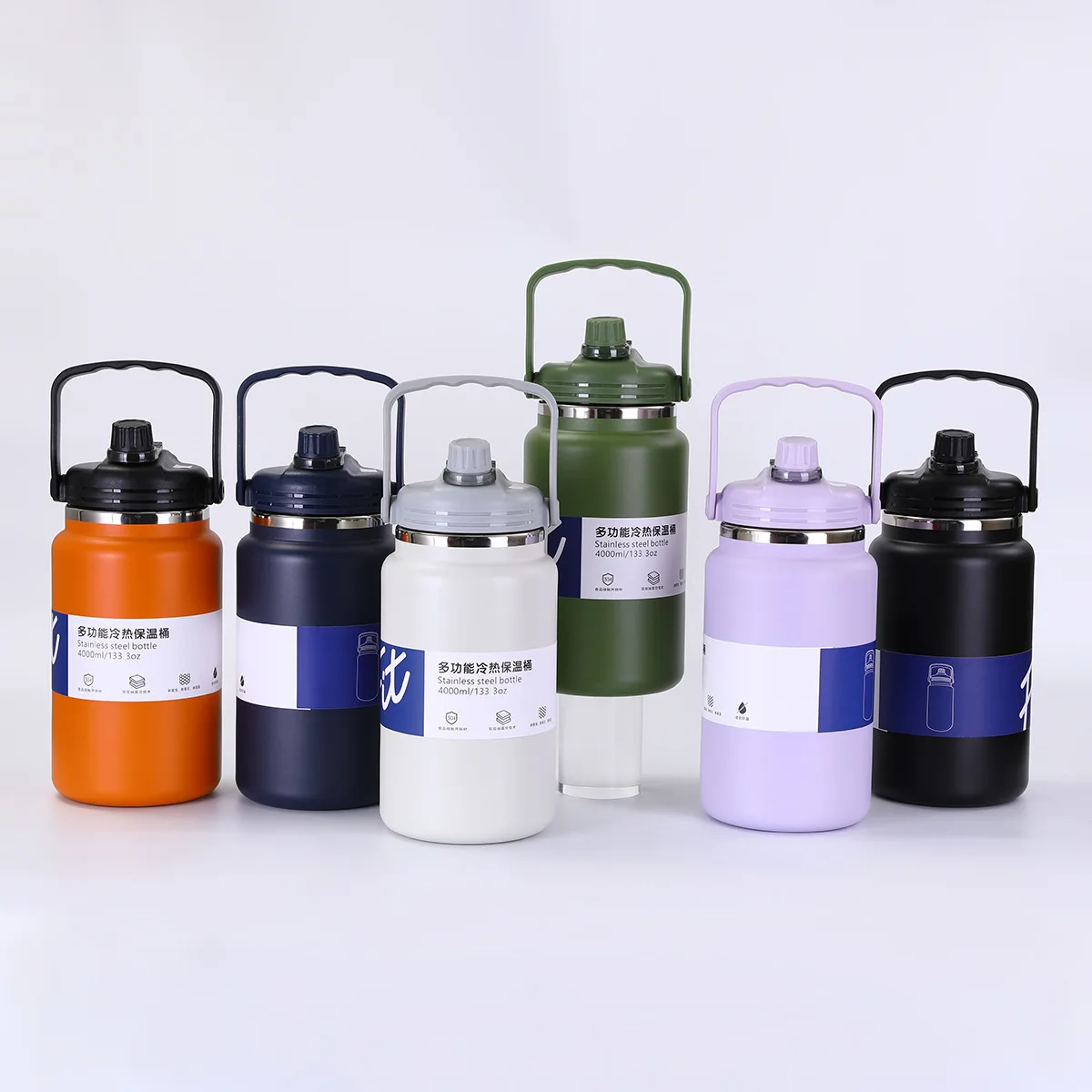
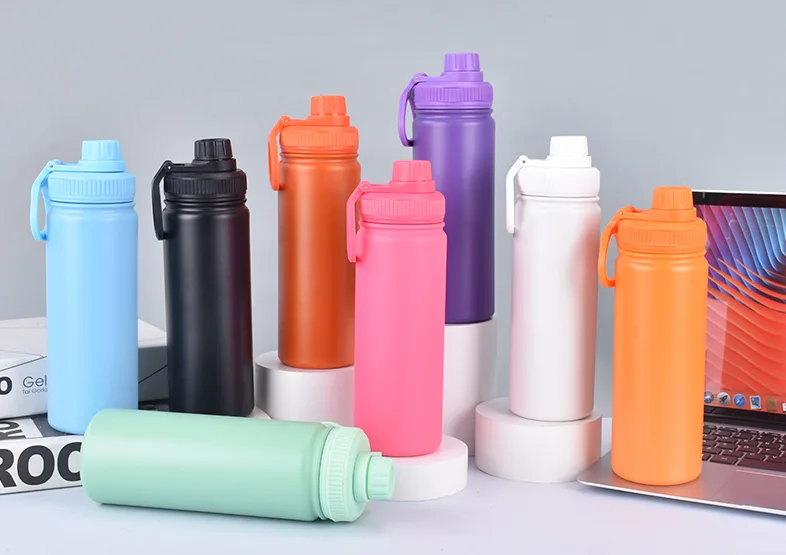

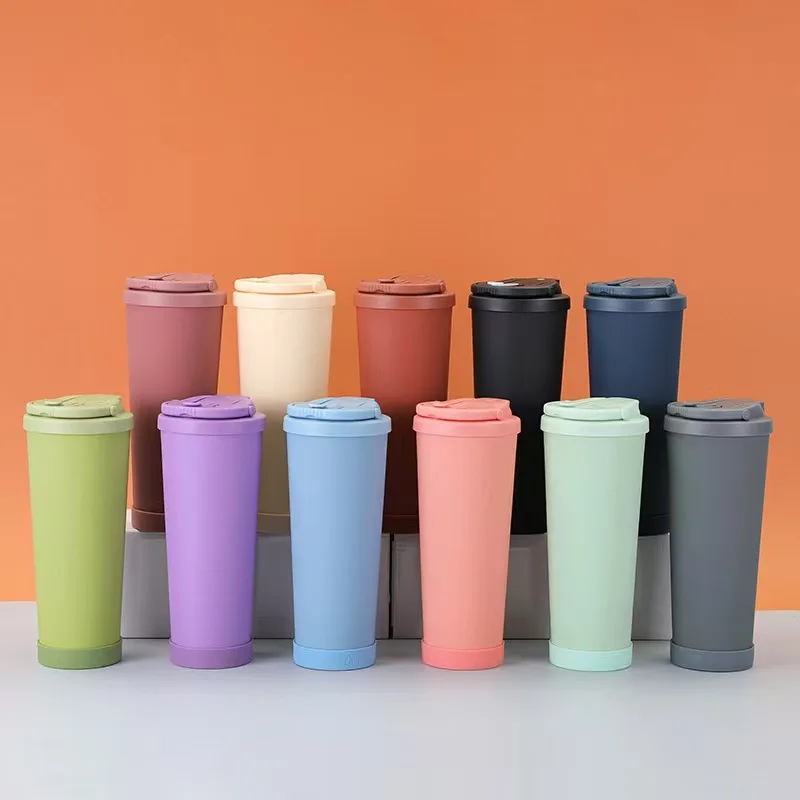
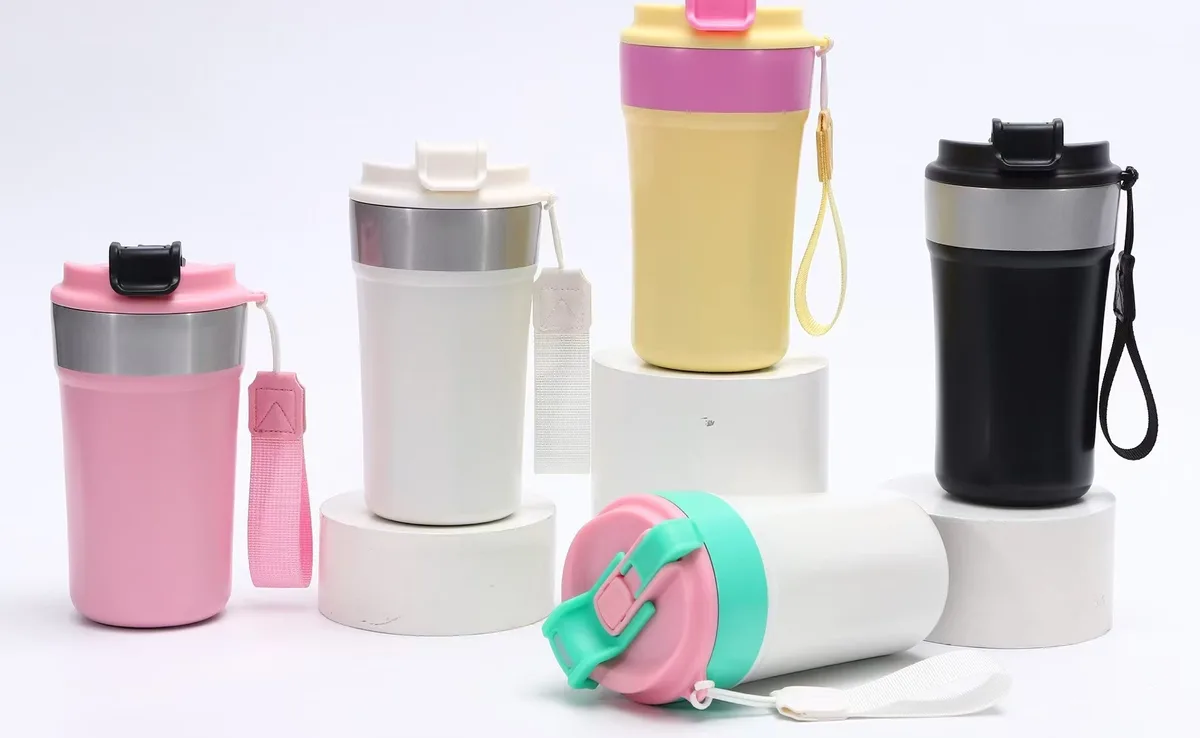
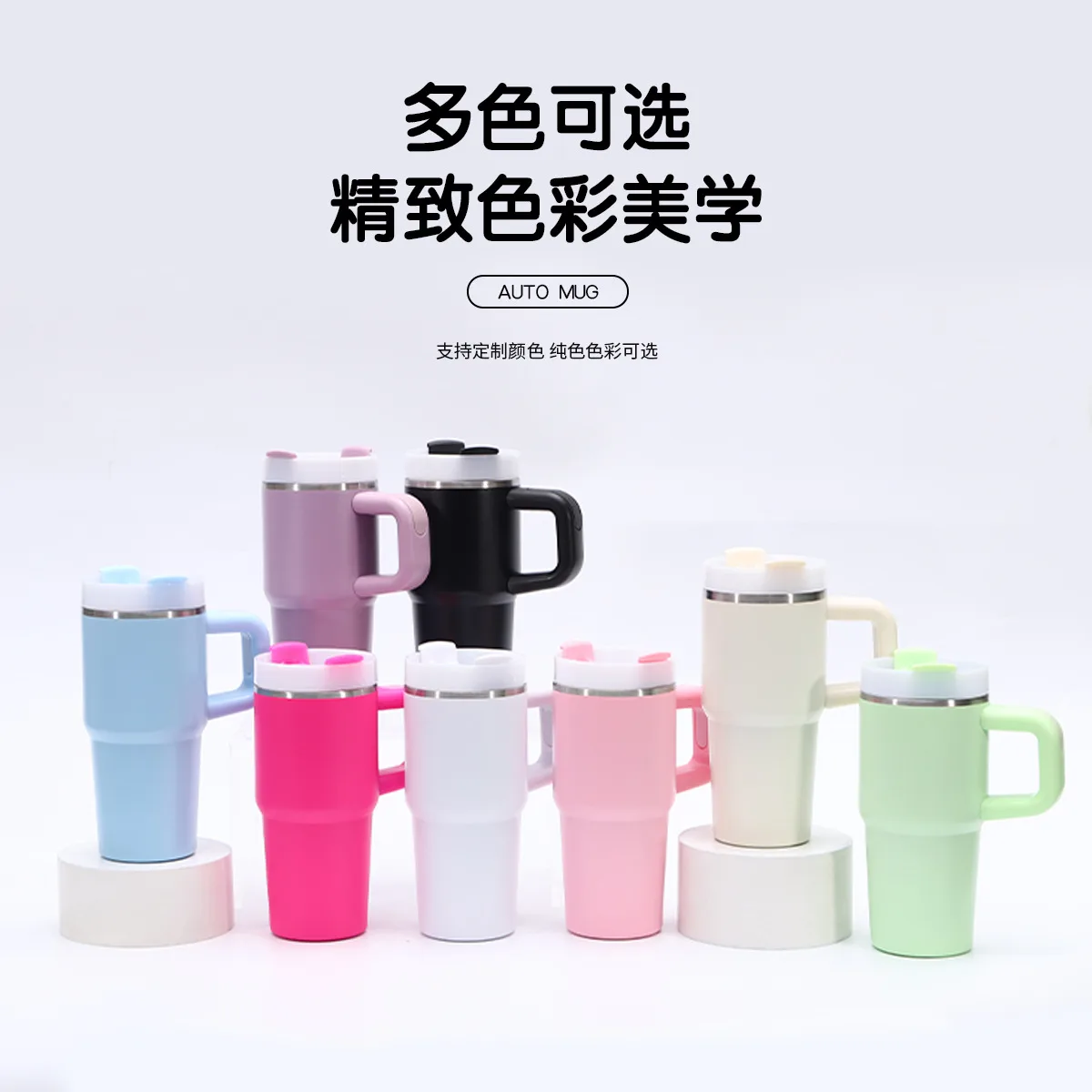
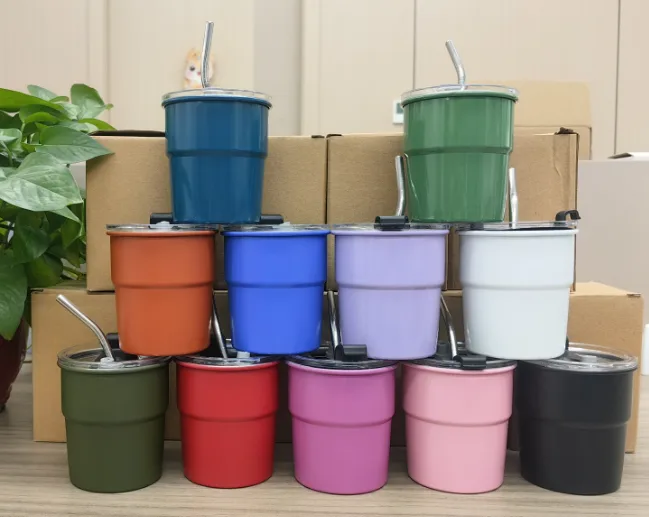
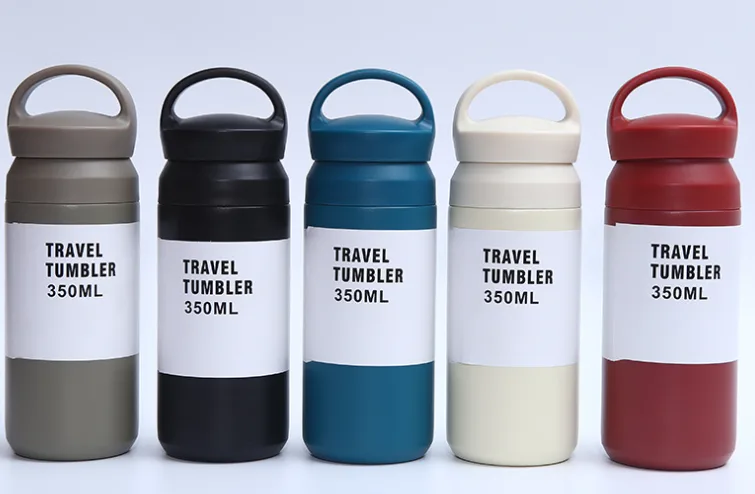
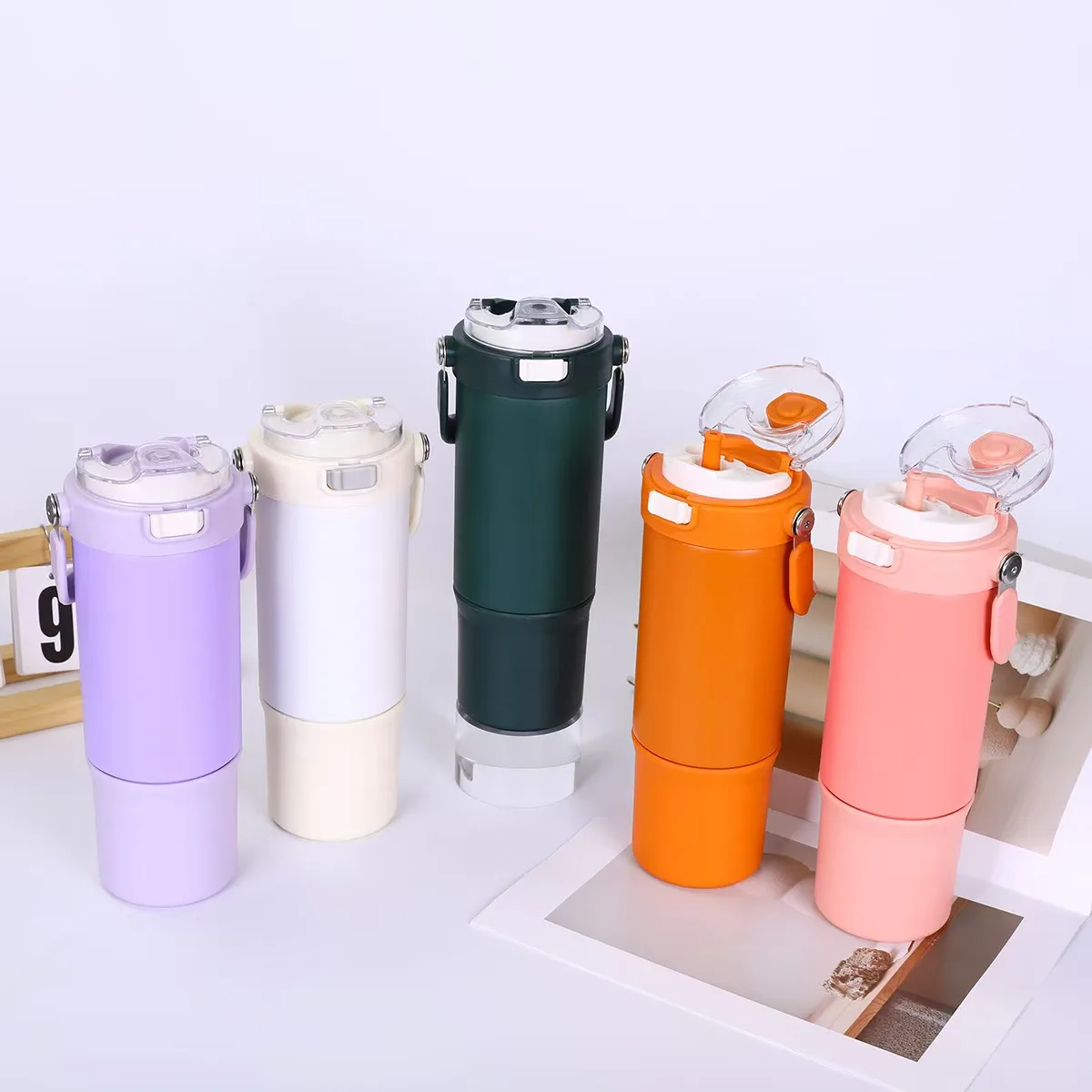

Drinkware is light but bulky, and the finish is vulnerable to abrasion. Export packing needs to protect both the surface and the carton structure. For small items, a shock-resistant inner pack and a double-wall carton are a sensible starting point; individual poly bags or tissue wraps can reduce scuffing during transit.
Confirm how the vessels sit inside the carton. A snug fit with dividers or molded pulp reduces movement. If the product has a handle, straw or gift box, test the packed configuration rather than assuming the unpacked product will travel well.
For larger programs, ask about palletisation and container loading. Cartons should be stackable without crushing the bottom layer, and the pallet should be wrapped and labelled for the destination. Wooden crates or pallets may be appropriate for heavier or higher-value programs, subject to the destination country’s wood packaging requirements.
Build a pre-shipment check around the packing spec: carton dimensions, carton weight, product quantity, label placement, barcode readability and a sample drop or compression check where appropriate. A photo record of the packed carton is useful for both buyer and supplier.
The goal is not the most expensive packing. It is a repeatable packing method that protects the finish, meets the retailer’s requirements and arrives with the carton intact. Confirm it before production, not after the container is loaded.